

The Elizabeth line stops connect key areas across London and beyond, making the railway one of the most useful parts of the modern UK transport network. The line runs through central London and links destinations such as Reading, Heathrow Airport, Shenfield, Abbey Wood, and Canary Wharf. It also provides fast connections to major stations including Paddington, Bond Street, Tottenham Court Road, Liverpool Street, and Stratford.
This guide explains the main Elizabeth line stops, branches, interchange stations, travel zones, airport connections, and useful information for 2026. It is designed to make the route easier to understand for visitors, commuters, and anyone planning a London journey.
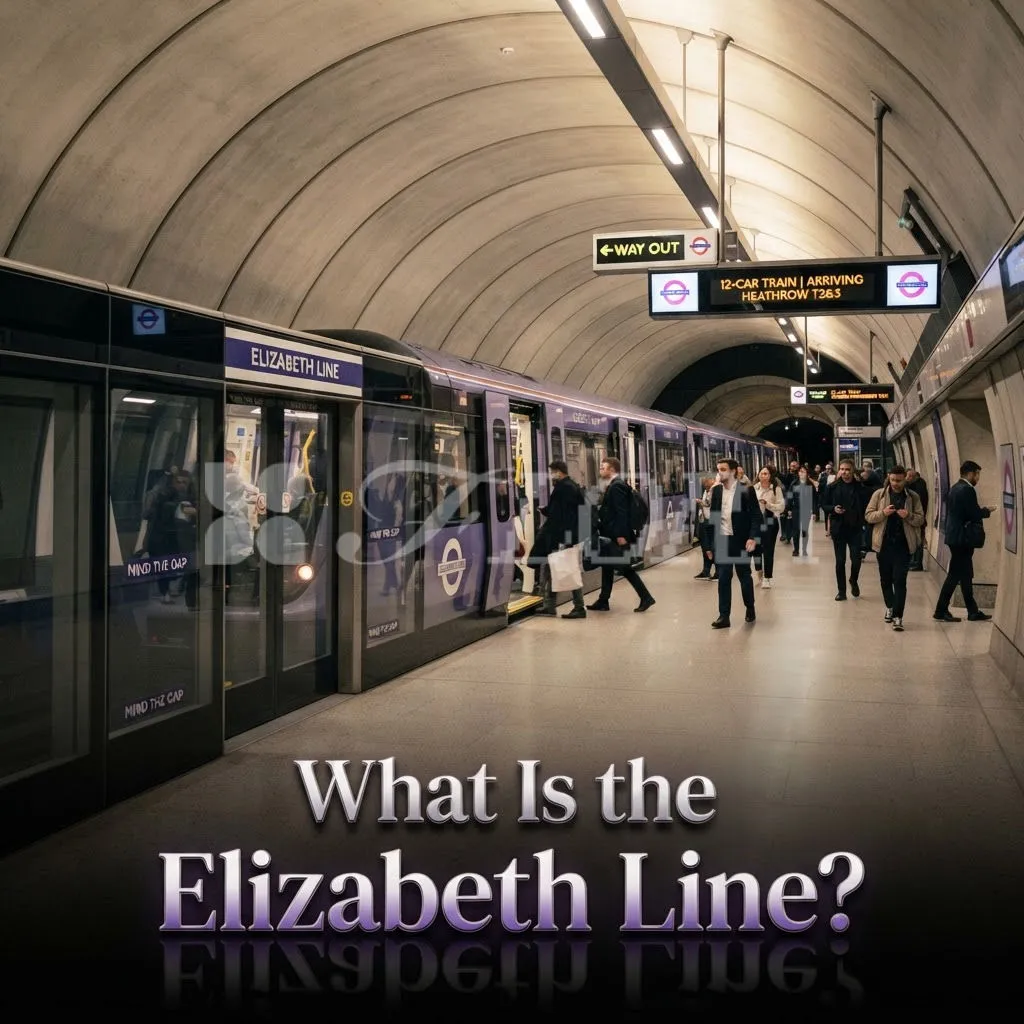
What Is the Elizabeth Line?
The Elizabeth line is a major railway service operated by Transport for London. It opened in stages before the central section became fully integrated into the network.
The line has transformed cross-London travel by connecting western and eastern areas through a new central tunnel.
- 🚆 It is operated by Transport for London.
- 🟣 It uses a purple line identity.
- 🏙️ It crosses central London.
- ✈️ It serves Heathrow Airport.
- 🚉 It serves Paddington.
- 🛍️ It serves Bond Street.
- 🎭 It serves Tottenham Court Road.
- 🚆 It serves Liverpool Street.
- 🏙️ It serves Canary Wharf.
- 🚉 It serves Stratford.
- 🌳 It reaches Abbey Wood.
- 🌆 It reaches Shenfield.
- 🏘️ It reaches Reading.
- 🗺️ It appears on official London transport maps.
- 📱 Live journey information is available.
- ⭐ It remains a major transport route in 2026.
The Elizabeth line is particularly useful because it connects several major railway stations and business districts without requiring passengers to cross central London using multiple separate services.
Elizabeth Line Stops in Central London
The central section contains some of the most important Elizabeth line stops. These stations make it easier to travel between major shopping, business, entertainment, and transport areas.
The central stations are designed for high passenger numbers and provide connections with Underground and National Rail services.
- 🚉 Paddington
- 🚉 Bond Street
- 🚉 Tottenham Court Road
- 🚉 Farringdon
- 🚉 Liverpool Street
- 🚉 Whitechapel
- 🚉 Canary Wharf
- 🚉 Custom House
- 🚉 Woolwich
- 🚉 Abbey Wood
- 🚆 Major interchange stations are included.
- 🚇 Several Tube connections are available.
- 🏙️ The route passes through busy central areas.
- 📱 Digital journey planners show connections.
- 🗺️ Official maps show the complete route.
- ⭐ Central London stops are among the busiest.
These stations make the Elizabeth line useful for both local journeys and longer trips across London.
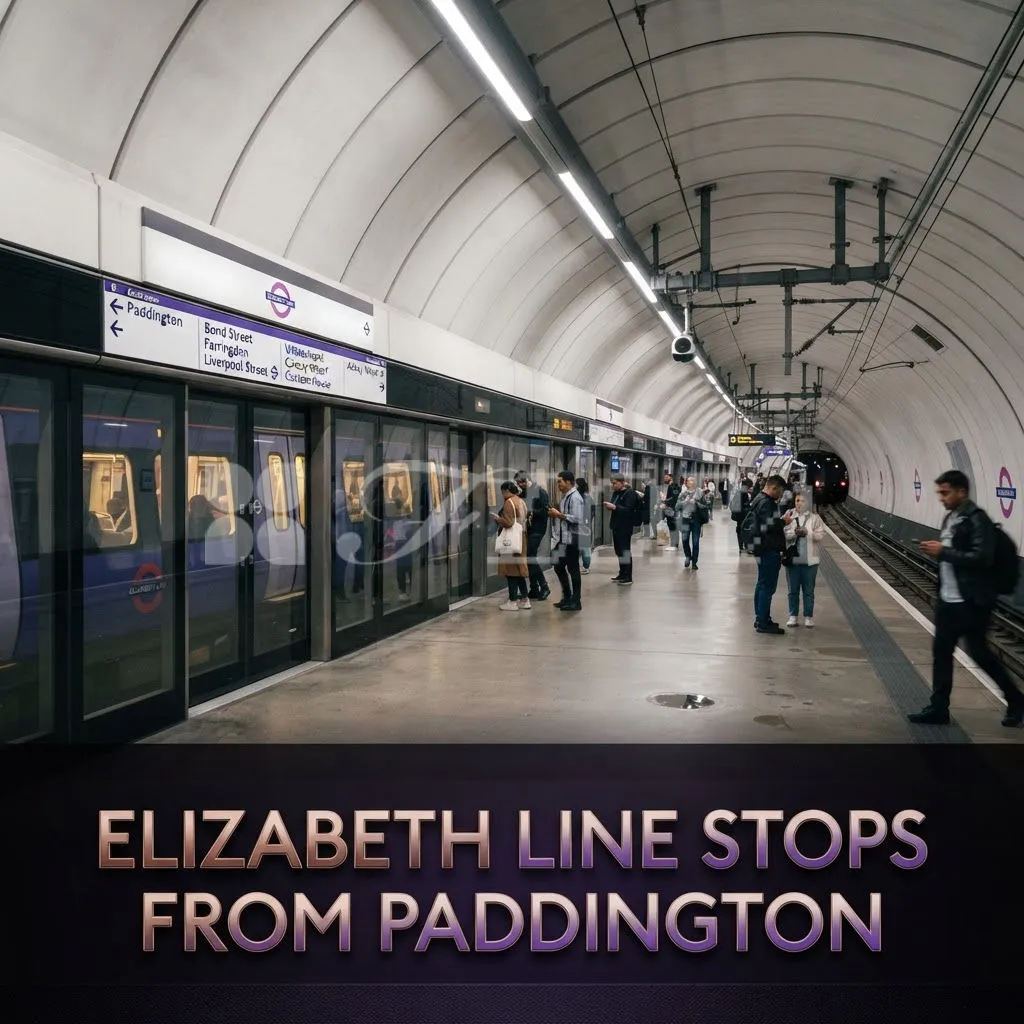
Elizabeth Line Stops From Paddington
Paddington is one of the most important western stations on the Elizabeth line. It connects passengers with central London and destinations farther west.
From Paddington, Elizabeth line services can travel toward Heathrow and Reading, depending on the service.
- 🚉 Paddington is a major railway station.
- 🚆 Elizabeth line services operate here.
- 🚇 Bakerloo line connects nearby.
- 🚇 Circle and District line services are available.
- 🚆 National Rail services operate from Paddington.
- ✈️ Heathrow Airport is accessible by Elizabeth line.
- 🏙️ Central London is easy to reach.
- 🧳 It is useful for visitors.
- 🛍️ Shops and restaurants are nearby.
- 🏨 Many hotels are in the surrounding area.
- 🗺️ Paddington appears on the Elizabeth line map.
- 📱 Live service information is available.
- 🎫 Contactless and Oyster payment options apply within the TfL network.
- 🚆 Reading trains can continue west.
- ✈️ Heathrow services can use the western branch.
- ⭐ Paddington is a key Elizabeth line interchange.
Paddington is especially useful for travelers arriving from western England or heading toward Heathrow.
Elizabeth Line Stops From Bond Street
Bond Street is one of the main shopping and business destinations on the Elizabeth line.
The station provides a quick connection between the West End and other parts of London.
- 🚉 Bond Street is in central London.
- 🛍️ Oxford Street is nearby.
- 🏬 Luxury shopping areas are close.
- 🚇 Jubilee line connects here.
- 🚇 Central line connects here.
- 🏙️ Mayfair is nearby.
- 👜 It is useful for shopping trips.
- 💼 Business areas are accessible.
- 🎭 The West End is nearby.
- 📱 Journey information is available.
- 🗺️ It appears on the Elizabeth line map.
- 🚆 Trains connect east and west.
- 🎫 Contactless travel is available.
- 🕐 Travel times depend on the destination.
- 🔄 It is an important interchange.
- ⭐ Bond Street is one of the most useful central stops.
For visitors, Bond Street is especially convenient for Oxford Street, Mayfair, and nearby West End destinations.
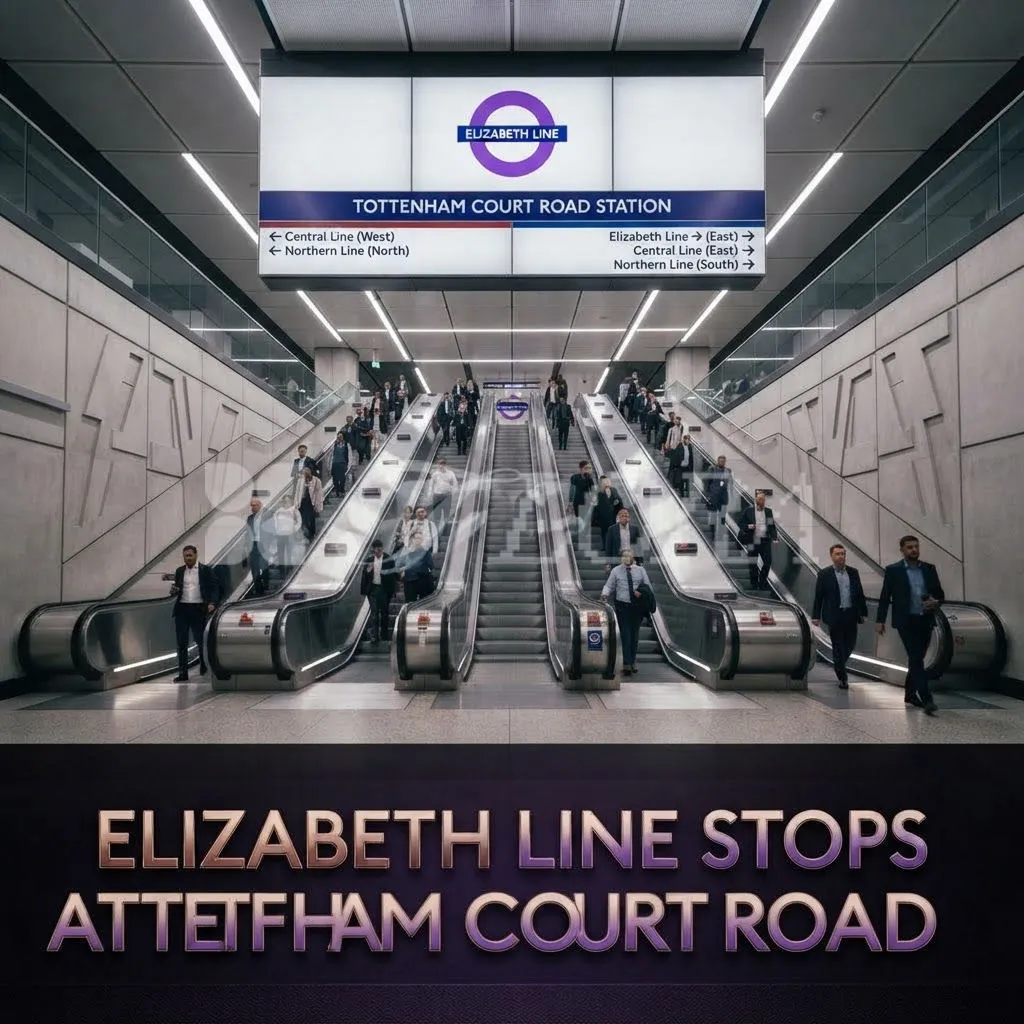
Elizabeth Line Stops at Tottenham Court Road
Tottenham Court Road is an important Elizabeth line stop in the West End.
It provides connections to the Central and Northern Underground lines and gives passengers easy access to shops, theaters, restaurants, and entertainment areas.
- 🚉 Tottenham Court Road is in central London.
- 🚇 Central line connects here.
- 🚇 Northern line connects here.
- 🎭 The West End is nearby.
- 🛍️ Oxford Street is close.
- 🎵 Soho is nearby.
- 🍽️ Restaurants are available.
- 🎬 Entertainment venues are nearby.
- 🏙️ It is useful for central London travel.
- 🔄 It provides multiple transport connections.
- 🗺️ It appears on official maps.
- 📱 Live travel information is available.
- 🎫 Contactless travel is supported.
- 🚆 Elizabeth line trains connect east and west.
- 🧭 It can reduce the need for additional changes.
- ⭐ It is one of the key central stations.
Tottenham Court Road is particularly useful for travelers visiting Soho, Oxford Street, and the West End.
Elizabeth Line Stops at Farringdon
Farringdon is one of the most important transport interchanges on the Elizabeth line.
It connects with the London Underground and National Rail services, making it useful for journeys across London and beyond.
- 🚉 Farringdon is a major interchange.
- 🚇 Circle line connects here.
- 🚇 Hammersmith & City line connects here.
- 🚇 Metropolitan line connects here.
- 🚆 Thameslink services connect here.
- 🏙️ The City of London is nearby.
- 💼 It is useful for business travel.
- 🛍️ Local shopping areas are nearby.
- 🔄 Several rail services meet here.
- 🗺️ It is shown on transport maps.
- 📱 Live journey information is available.
- 🎫 Contactless payment is available.
- 🚆 Thameslink provides wider regional connections.
- 🧭 It can be useful for airport journeys.
- 📍 The station is centrally located.
- ⭐ Farringdon is a major Elizabeth line stop.
Farringdon is especially important for passengers who need to transfer between the Elizabeth line, Underground, and Thameslink.
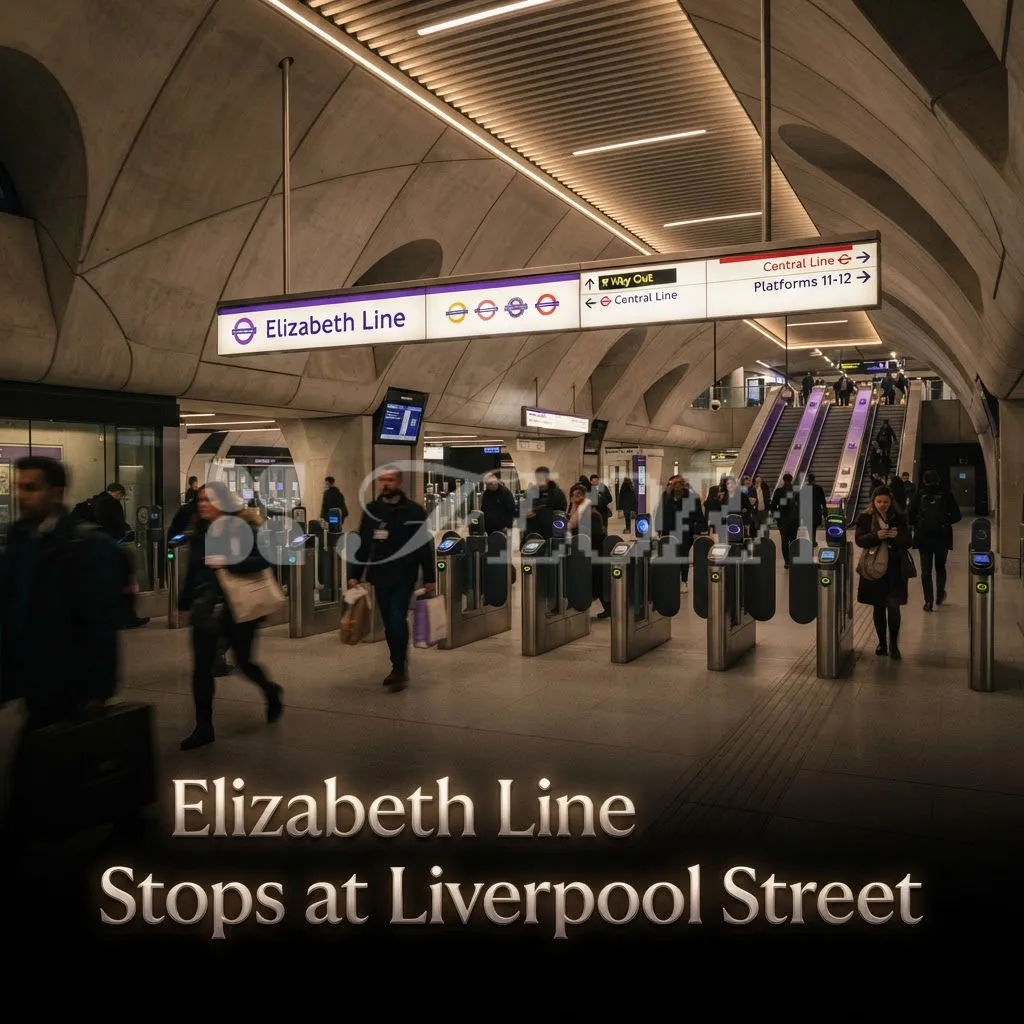
Elizabeth Line Stops at Liverpool Street
Liverpool Street is another major Elizabeth line interchange. It provides access to the City of London and several other rail and Underground services.
- 🚉 Liverpool Street is a major railway station.
- 🚆 Elizabeth line services stop here.
- 🚇 Central line connects here.
- 🚇 Circle line connects nearby.
- 🚇 Hammersmith & City line connects nearby.
- 🚇 Metropolitan line connects nearby.
- 🚆 National Rail services operate here.
- 🏙️ The City of London is nearby.
- 🛍️ Spitalfields is close.
- 🏛️ Historic areas are nearby.
- 🗺️ The station appears on transport maps.
- 📱 Live travel information is available.
- 🎫 Contactless travel is available.
- 🔄 It provides several interchange options.
- 🧭 It is useful for east-west travel.
- ⭐ Liverpool Street is one of the line’s major stops.
The station is particularly useful for commuters and visitors traveling into London’s main financial district.
Elizabeth Line Stops at Whitechapel
Whitechapel provides an important connection between the Elizabeth line and other London transport services.
Its location makes it useful for travel between central London, east London, and destinations farther east.
- 🚉 Whitechapel is an Elizabeth line stop.
- 🚇 District line connects here.
- 🚇 Hammersmith & City line connects here.
- 🚆 London Overground services connect here.
- 🏙️ East London is nearby.
- 🏥 The Royal London Hospital is close.
- 🛍️ Local markets are nearby.
- 🔄 Multiple transport options are available.
- 🗺️ It appears on London transport maps.
- 📱 Live service updates are available.
- 🎫 Contactless payment is available.
- 🚆 Elizabeth line trains travel east and west.
- 🧭 It is useful for changing services.
- 🏙️ The City is relatively close.
- 🚉 It connects several transport routes.
- ⭐ Whitechapel is an important interchange.
Whitechapel is a useful stop for passengers traveling between east London and central London.
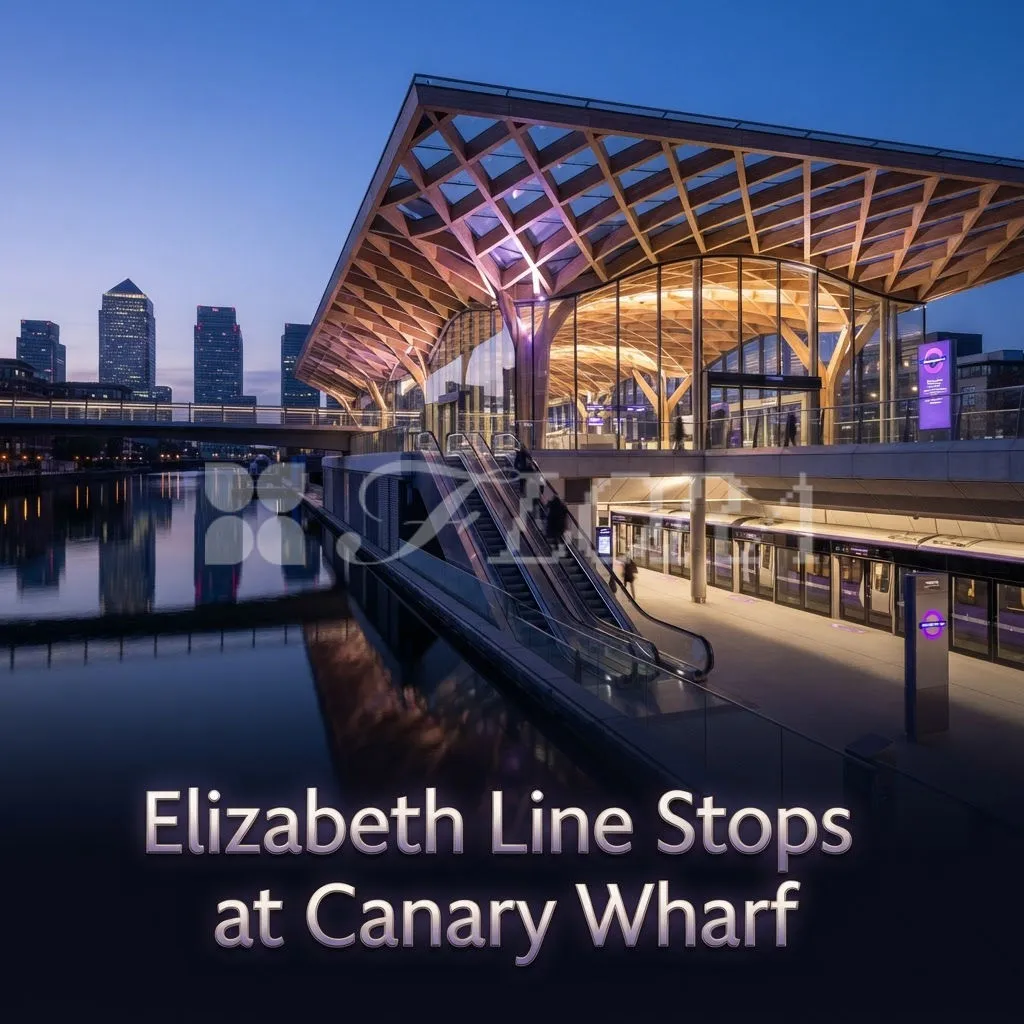
Elizabeth Line Stops at Canary Wharf
Canary Wharf is one of the most recognizable Elizabeth line stops. It serves a major financial district and has connections with other transport services.
- 🚉 Canary Wharf is a major station.
- 🚇 Jubilee line connects nearby.
- 🚈 DLR services are available.
- 🏙️ Canary Wharf business district surrounds the station.
- 💼 It serves many offices.
- 🛍️ Shopping centers are nearby.
- 🍽️ Restaurants are widely available.
- 🌳 Public spaces are nearby.
- 🗺️ The station appears on transport maps.
- 📱 Live travel information is available.
- 🎫 Contactless payment is supported.
- 🚆 Elizabeth line trains connect east and west.
- 🔄 It is a major interchange.
- 🏙️ The Docklands area is nearby.
- 🧭 It is useful for commuters and visitors.
- ⭐ Canary Wharf is one of the most important stops.
The station gives passengers a fast connection between the Canary Wharf area and central London.
Elizabeth Line Stops at Stratford
Stratford is a major east London transport hub served by several rail and Underground services.
The Elizabeth line makes Stratford an important connection for journeys across London and toward Essex.
- 🚉 Stratford is a major interchange.
- 🚇 Central line connects here.
- 🚇 Jubilee line connects here.
- 🚆 National Rail services operate here.
- 🚆 London Overground services are available.
- 🚈 DLR services are available.
- 🏟️ Queen Elizabeth Olympic Park is nearby.
- 🛍️ Westfield Stratford City is close.
- 🏙️ East London is easily accessible.
- 🔄 Multiple transport services meet here.
- 🗺️ It is shown on transport maps.
- 📱 Live travel information is available.
- 🎫 Contactless travel is available.
- 🚆 Elizabeth line services continue toward Essex.
- 🧭 It is useful for cross-London journeys.
- ⭐ Stratford is one of the network’s key stations.
Stratford is particularly useful for travelers visiting the Olympic Park, Westfield Stratford City, or connecting to other rail services.
Elizabeth Line Stops to Heathrow Airport
One of the biggest advantages of the Elizabeth line is its connection to Heathrow Airport.
The service provides access to Heathrow from central and west London, making it useful for travelers carrying luggage.
- ✈️ Heathrow Airport is served.
- 🚆 Elizabeth line trains connect Heathrow with London.
- 🚉 Heathrow Terminal 2 & 3 is served.
- ✈️ Heathrow Terminal 4 is served.
- ✈️ Heathrow Terminal 5 is served.
- 🧳 It can be useful for airport passengers.
- 🏙️ Central London has direct rail connections.
- 🚉 Paddington is an important connection.
- 🚆 Some services continue toward Reading.
- 📱 Check the destination before boarding.
- 🎫 Airport fares can differ from central journeys.
- 🕐 Travel time depends on the starting station.
- 🔄 Some journeys may require a change.
- 🗺️ Heathrow stations appear on official maps.
- ⚠️ Check live airport service information.
- ⭐ The airport connection is a major benefit of the line.
Passengers should check the exact terminal and current service before traveling, especially for early flights or late-night journeys.
Elizabeth Line Stops to Reading
The western branch extends beyond London to Reading.
This makes the Elizabeth line useful for passengers traveling between London and towns in the Thames Valley.
- 🚆 Reading is the western endpoint.
- 🏙️ Reading is outside Greater London.
- 🚉 Reading station is a major railway hub.
- 🚆 National Rail services operate there.
- 🏢 The town has a major business sector.
- 🎓 The University of Reading is nearby.
- 🛍️ Shopping areas are accessible.
- 🔄 Connections with other trains are available.
- 🗺️ Reading appears on wider rail maps.
- 📱 Check live service information.
- 🎫 Fares depend on the journey.
- 🕐 Journey times vary.
- 🚆 Services travel through west London.
- 🧭 Paddington is an important intermediate station.
- ⚠️ Timetables can change.
- ⭐ Reading provides an important western connection.
The Reading branch makes the Elizabeth line more than a London-only service, connecting the capital with an important regional railway destination.
Elizabeth Line Stops to Shenfield
The eastern branch extends from central London toward Shenfield in Essex.
This branch is useful for commuters and travelers heading between London and areas in Essex.
- 🚆 Shenfield is an eastern endpoint.
- 🌆 It is in Essex.
- 🚉 Shenfield is a railway interchange.
- 🚆 National Rail services connect here.
- 🏙️ Essex communities are served.
- 🔄 Passengers can connect with other rail services.
- 🗺️ Shenfield appears on wider rail maps.
- 📱 Live travel information is available.
- 🎫 Fares depend on the journey.
- 🕐 Journey times vary.
- 🚆 Stratford is an important intermediate stop.
- 🏙️ Central London is connected.
- 🧭 The branch provides an east-west route.
- ⚠️ Engineering work can affect services.
- 📍 Check the final destination.
- ⭐ Shenfield is an important eastern endpoint.
The Shenfield branch gives passengers in Essex a convenient rail connection into central London.
Elizabeth Line Stops to Abbey Wood
Abbey Wood is another important eastern destination on the Elizabeth line.
It provides access to southeast London and connects with areas around Woolwich and Plumstead.
- 🚆 Abbey Wood is an eastern endpoint.
- 🏙️ It is in southeast London.
- 🚉 Abbey Wood station is served by the Elizabeth line.
- 🌳 Local residential areas surround the station.
- 🚆 Trains connect toward central London.
- 🏙️ Woolwich is on the route.
- 🚉 Custom House is another important stop.
- 🛍️ Local shopping areas are nearby.
- 🔄 The line provides east-west connections.
- 🗺️ Abbey Wood appears on official maps.
- 📱 Live travel information is available.
- 🎫 Contactless payment is available.
- 🕐 Journey times depend on the destination.
- ⚠️ Service changes can occur.
- 🧭 Check the train destination.
- ⭐ Abbey Wood is an important southeast London stop.
The Abbey Wood branch is particularly useful for southeast London passengers traveling toward Canary Wharf and central London.
Elizabeth Line Stops and Interchanges
The Elizabeth line is valuable partly because of its connections with the rest of London’s transport network.
- 🚇 Paddington connects with Tube services.
- 🚇 Bond Street connects with Central and Jubilee lines.
- 🚇 Tottenham Court Road connects with Central and Northern lines.
- 🚇 Farringdon connects with several Underground lines.
- 🚆 Farringdon connects with Thameslink.
- 🚇 Liverpool Street connects with the Central line.
- 🚇 Whitechapel connects with District and Hammersmith & City lines.
- 🚆 Whitechapel connects with Overground.
- 🚇 Canary Wharf connects with Jubilee.
- 🚈 Canary Wharf connects with DLR.
- 🚇 Stratford connects with Jubilee.
- 🚇 Stratford connects with Central.
- 🚆 Stratford has National Rail connections.
- 🚈 Stratford connects with DLR.
- 🚆 Reading connects with regional rail services.
- ⭐ These interchanges make cross-London travel easier.
When planning a journey, the best interchange depends on your destination, current service, and the amount of walking required between platforms.
Elizabeth Line Map
The Elizabeth line map is one of the easiest ways to understand the complete network. Because the line has western and eastern branches, the map helps passengers identify which train they need.
- 🗺️ The map shows the full route.
- 🟣 The Elizabeth line has a purple identity.
- 🚆 Western services reach Reading.
- ✈️ Heathrow is on the western branch.
- 🏙️ Central London stations are shown.
- 🚆 Eastern services reach Shenfield.
- 🌳 Abbey Wood is another eastern destination.
- 🚉 Stratford is a major interchange.
- 🏙️ Canary Wharf is clearly marked.
- 🚉 Liverpool Street is shown.
- 🚉 Farringdon is shown.
- 🚉 Tottenham Court Road is shown.
- 🚉 Bond Street is shown.
- 🚉 Paddington is shown.
- 📱 Digital maps can provide live updates.
- ⭐ Always use the latest TfL map for current travel.
The official map is especially useful when deciding which branch and destination to select.
Elizabeth Line Fares and Travel Zones
Elizabeth line fares depend on the stations you travel between and whether your journey includes areas outside the standard TfL zone system.
- 🎫 Oyster cards can be used on eligible journeys.
- 💳 Contactless payment is available.
- 🗺️ London travel zones affect many fares.
- 🏙️ Central London is largely Zone 1.
- ✈️ Heathrow has special fare considerations.
- 🚆 Reading is outside London’s standard TfL zones.
- 🚆 Shenfield is outside some central fare zones.
- 🌳 Abbey Wood is within London’s zone system.
- 💷 Fares depend on the route.
- 📅 Prices can change.
- 📱 Current TfL fare information is recommended.
- 🧭 The journey planner can show fare details.
- 🎫 Daily and weekly caps may apply in relevant circumstances.
- ⚠️ Older fare information may be outdated.
- 🔎 Check before starting a longer trip.
- ⭐ Current official information is best for 2026 fares.
For exact pricing, passengers should check the current fare for their specific start and end stations.
Elizabeth Line Travel Times in 2026
The Elizabeth line was designed to make many cross-London journeys faster. Actual journey times depend on the starting point, destination, service pattern, and connections.
- 🚆 Central London journeys can be quick.
- ✈️ Heathrow connections are convenient.
- 🏙️ Paddington connects west London.
- 🛍️ Bond Street serves the West End.
- 🎭 Tottenham Court Road serves Soho and nearby areas.
- 🚆 Farringdon provides Thameslink connections.
- 🏙️ Liverpool Street serves the City.
- 🌊 Canary Wharf serves the Docklands.
- 🏟️ Stratford serves east London.
- 🌳 Abbey Wood serves southeast London.
- 🏘️ Reading is connected to central London.
- 🌆 Shenfield is connected to the capital.
- 📱 Live journey planners show current estimates.
- ⚠️ Delays can change travel times.
- 🛠️ Engineering work can affect schedules.
- ⭐ Check the journey planner before traveling.
It is better to use a live journey planner than rely on a fixed travel-time table because London services can change.
Elizabeth Line in 2026
In 2026, the Elizabeth line continues to be one of London’s most important modern rail connections. Its combination of central stations, airport access, and regional branches makes it useful for both everyday travel and tourism.
- 📅 The line remains active in 2026.
- 🚆 It connects west and east.
- ✈️ It serves Heathrow Airport.
- 🏙️ It crosses central London.
- 🚉 It serves major railway stations.
- 🛍️ It reaches important shopping areas.
- 💼 It serves major business districts.
- 🎭 It connects entertainment areas.
- 🌳 It reaches southeast London.
- 🏘️ It reaches Reading.
- 🌆 It reaches Shenfield.
- 🔄 It provides many interchange options.
- 📱 Digital journey planning is widely used.
- 🗺️ Updated maps make route planning easier.
- 🛠️ Planned works can affect services.
- ⭐ It remains a key part of London’s 2026 transport system.
The Elizabeth line’s biggest strength is its ability to connect destinations that previously required several changes.
Frequently Asked Questions About Elizabeth Line Stops
- ❓ How many stops does the Elizabeth line have? The network serves a large number of stations across its branches, with the exact service pattern depending on the destination and branch.
- 🚆 What are the main Elizabeth line stops? Major stops include Paddington, Bond Street, Tottenham Court Road, Farringdon, Liverpool Street, Whitechapel, Canary Wharf, Stratford, and other stations on the western and eastern branches.
- ✈️ Does the Elizabeth line go to Heathrow Airport? Yes. It serves Heathrow Airport stations.
- 🚉 Does the Elizabeth line go to Reading? Yes. Reading is the western endpoint of the route.
- 🌆 Does the Elizabeth line go to Shenfield? Yes. Shenfield is an eastern destination in Essex.
- 🌳 Does the Elizabeth line go to Abbey Wood? Yes. Abbey Wood is served by the southeastern branch.
- 🚇 Does the Elizabeth line connect to the Tube? Yes. Several Elizabeth line stations provide connections with London Underground services.
- 🔄 Where can I change to the Jubilee line? Bond Street and Canary Wharf are important Jubilee line interchange points.
- 🚇 Where can I change to the Central line? Bond Street, Tottenham Court Road, Liverpool Street, and Stratford provide Central line connections.
- 🚆 Where can I connect to Thameslink? Farringdon is the key interchange.
- 🏙️ Does the Elizabeth line stop at Canary Wharf? Yes.
- 🏟️ Does the Elizabeth line stop at Stratford? Yes.
- 🛍️ Does it stop at Bond Street? Yes.
- 🎭 Does it stop at Tottenham Court Road? Yes.
- 🏙️ Does it stop at Liverpool Street? Yes.
- ⭐ Is the Elizabeth line running in 2026? Yes. It remains a major part of London’s transport network.
Conclusion:
The Elizabeth line stops form a major east-west rail network connecting Reading, Heathrow Airport, central London, Shenfield, and Abbey Wood. Major stations such as Paddington, Bond Street, Tottenham Court Road, Farringdon, Liverpool Street, Canary Wharf, and Stratford make the route useful for commuters, tourists, airport passengers, and regional travelers.
The line’s many connections with the Underground, London Overground, DLR, and National Rail make it easier to travel across London with fewer changes. In 2026, passengers should still check the latest TfL map, timetable, fares, and live service information before starting a journey.

Andrew Collins creates inspiring content centered around success, motivation, leadership, and positive thinking.