

The Metropolitan line is one of the most historic routes on the London Underground. Shown in magenta, it runs from central London toward north-west London and continues beyond the capital to destinations such as Chesham, Uxbridge, and Watford. The line includes famous stations such as Baker Street, King’s Cross St Pancras, Liverpool Street, Wembley Park, Harrow-on-the-Hill, and Moor Park. It is especially important because its history goes back to the world’s first underground passenger railway, which opened between Paddington and Farringdon in January 1863. (Transport for London)
What Is the Metropolitan Line?
The Metropolitan line is a London Underground route serving central, north-west London, and areas outside Greater London. Unlike many deep Tube routes, much of the line runs on the surface, especially beyond central London. It is also one of the lines using modern S Stock trains.
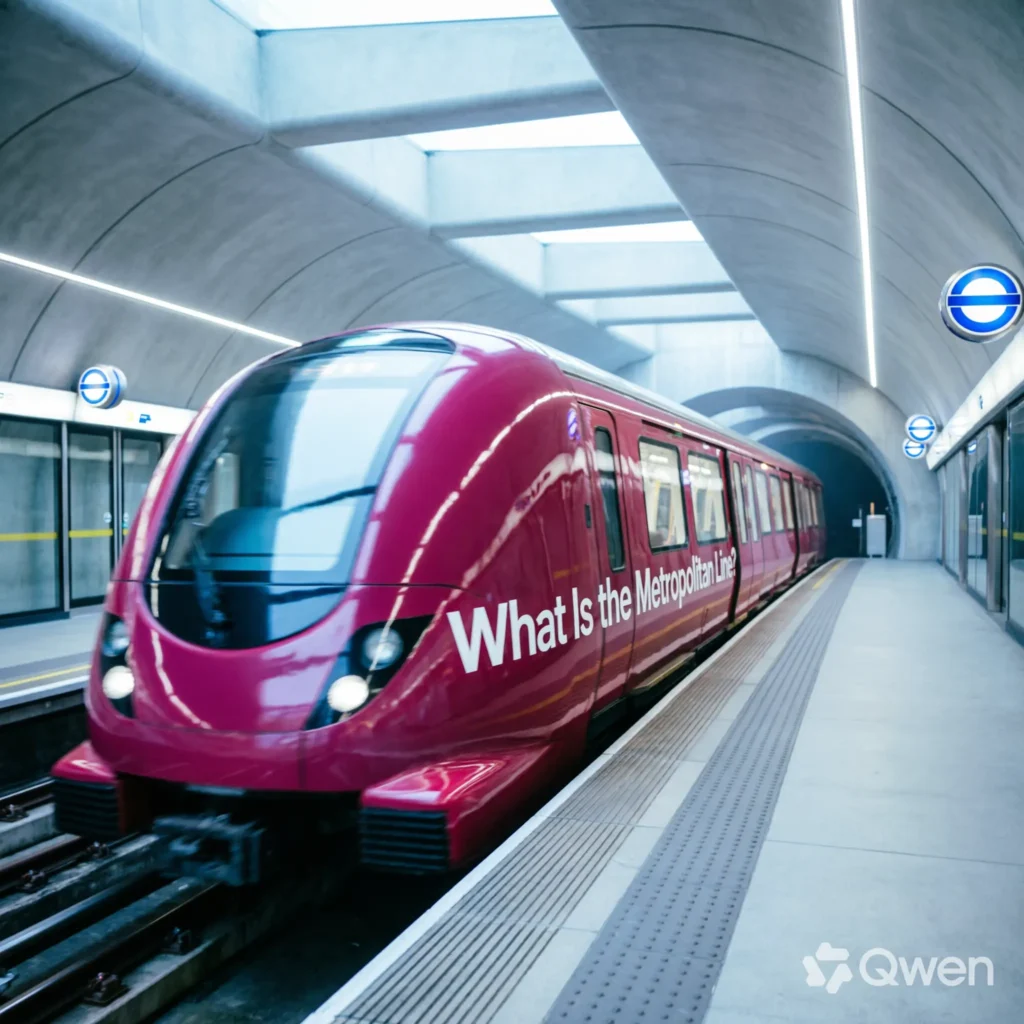
- 🚇 It is part of the London Underground.
- 🟣 Its map color is magenta.
- 🏙️ It serves central London.
- 🌳 It travels into north-west London.
- 🚉 It reaches Amersham.
- 🏘️ It serves Chesham.
- 🏙️ It reaches Uxbridge.
- 🚆 It serves Watford.
- 🏛️ Baker Street is a major station.
- 🚉 King’s Cross St Pancras provides major connections.
- 💼 Liverpool Street serves the City.
- ⚽ Wembley Park serves Wembley.
- 🏘️ Harrow-on-the-Hill is an important interchange.
- 🌟 It remains an important route in 2026.
The Metropolitan line is useful for both everyday journeys and longer trips between central London and areas farther north-west.
Metropolitan Line Route
The Metropolitan line has several branches and destinations, making its route more varied than many other Underground lines. Trains from central London travel north-west toward destinations including Watford, Amersham, Chesham, and Uxbridge.
- 🚉 Aldgate is at the eastern end.
- 🏙️ Liverpool Street is nearby.
- 🚇 Moorgate is a major City station.
- 🏛️ King’s Cross St Pancras provides rail connections.
- 🧑🔬 Euston Square serves central London.
- 🏛️ Baker Street is a famous interchange.
- 🌳 Finchley Road serves north-west London.
- 🏟️ Wembley Park serves Wembley.
- 🏘️ Harrow-on-the-Hill is an important station.
- 🚆 Moor Park provides connections.
- 🏡 Rickmansworth serves Hertfordshire.
- 🚉 Watford is one branch destination.
- 🌳 Amersham is another terminus.
- 🏘️ Chesham is a branch terminus.
- 🏙️ Uxbridge is a western terminus.
- 🗺️ The route is shown on the London Tube map.
Because the Metropolitan line has different branches, passengers should always check the destination displayed on the train before boarding.
Metropolitan Line Stations
The Metropolitan line serves a large number of stations across London and surrounding areas. Its stations range from major central interchanges to quieter suburban stops.
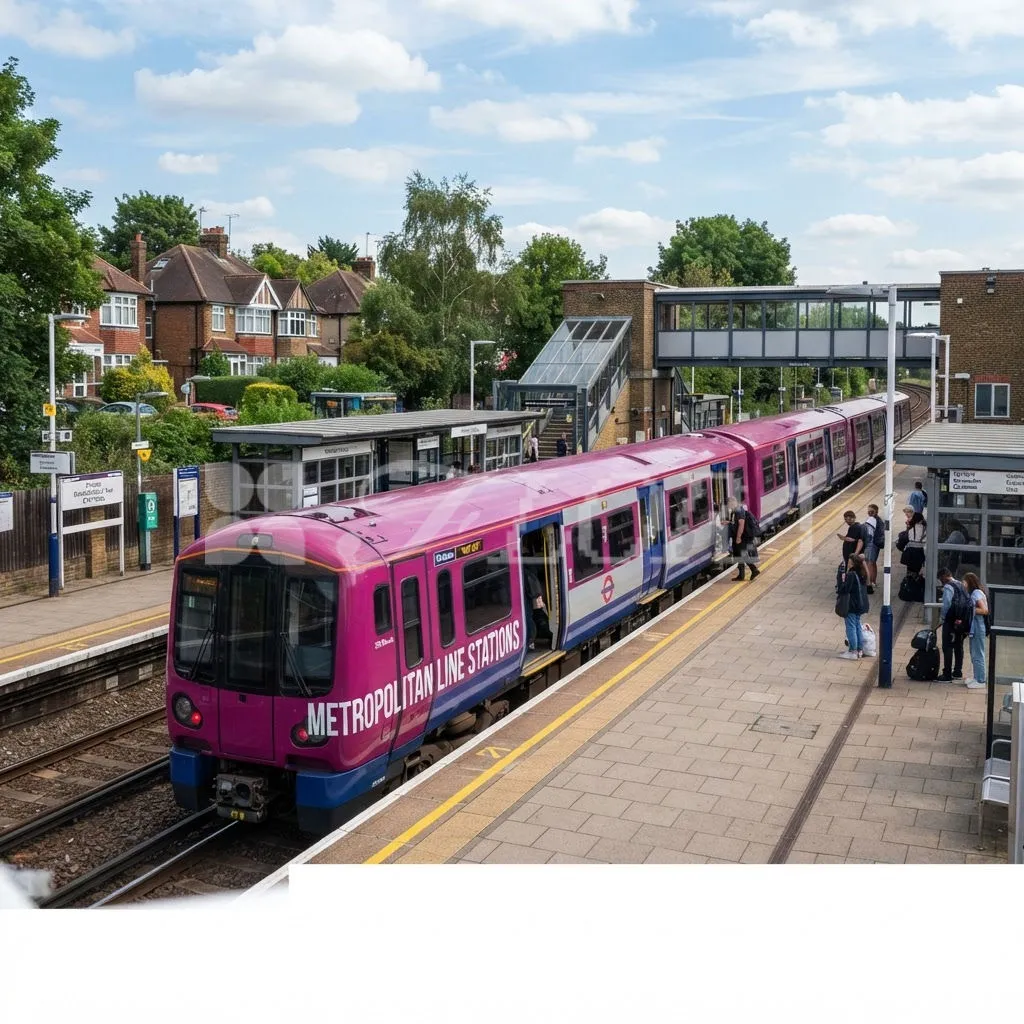
- 🚉 Aldgate
- 🚇 Liverpool Street
- 🏙️ Moorgate
- 🚉 Barbican
- 🚆 Farringdon
- 🧳 King’s Cross St Pancras
- 🏛️ Euston Square
- 🚇 Great Portland Street
- 🏛️ Baker Street
- 🌳 Finchley Road
- 🏟️ Wembley Park
- 🏘️ Harrow-on-the-Hill
- 🚆 Moor Park
- 🏡 Rickmansworth
- 🌳 Amersham
- 🏘️ Chesham
The complete route includes additional stations and branches toward Uxbridge and Watford. For a current 2026 journey, passengers should use the latest TfL map and service information because engineering works or timetable changes can affect individual journeys.
Metropolitan Line and Baker Street
Baker Street is one of the most famous stations on the Metropolitan line. It is a major interchange and is also closely associated with the fictional detective Sherlock Holmes.
- 🏛️ Baker Street is a central London station.
- 🟣 The Metropolitan line serves it.
- 🚇 Several Underground lines connect here.
- 🕵️ Sherlock Holmes is strongly linked with the area.
- 🏛️ The Sherlock Holmes Museum is nearby.
- 🛍️ Marylebone is close.
- 🌳 Regent’s Park is within walking distance.
- 🚉 Marylebone station is nearby.
- 🚌 Local buses provide more connections.
- 🧳 Tourists frequently visit.
- 📸 The station is popular with visitors.
- 🗺️ Several Tube routes meet here.
- ⏰ The station can be busy.
- 📱 Journey planners can help with changes.
- 🚶 Many attractions can be reached on foot.
- 🌟 Baker Street is one of the line’s best-known stations.
Baker Street is particularly useful for passengers who need to change between Underground lines or explore nearby central London attractions.
Metropolitan Line and King’s Cross St Pancras
King’s Cross St Pancras is one of London’s most important transport hubs. The Metropolitan line provides a direct connection between this major railway area and several north-west London destinations.
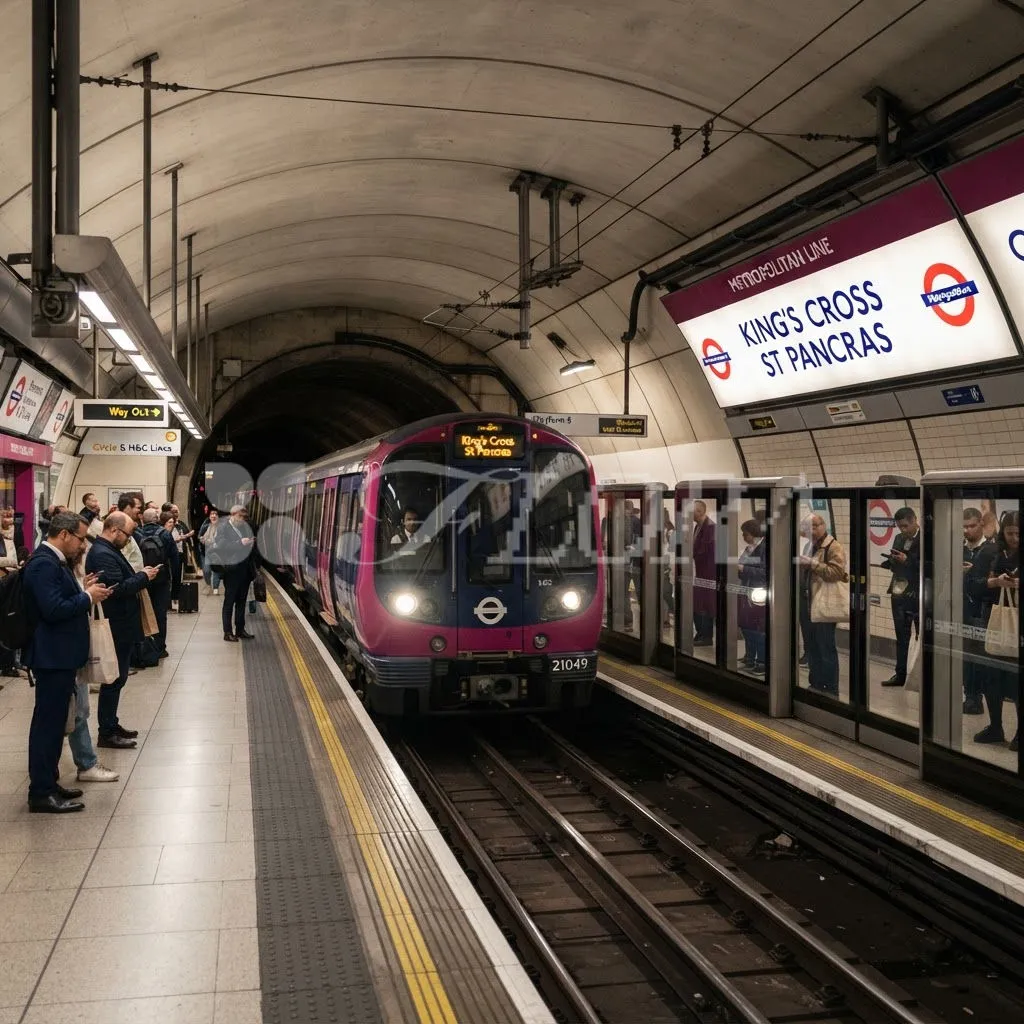
- 🚆 It is a major transport hub.
- 🟣 The Metropolitan line serves the area.
- 🚇 Several Underground lines connect here.
- 🚄 St Pancras International is nearby.
- 🚆 King’s Cross railway station is nearby.
- 🧳 International travelers use the area.
- 📚 The British Library is close.
- 🚌 Bus services operate nearby.
- 🔄 Passengers can change Tube lines.
- 🗺️ Signs help passengers find platforms.
- ⏰ The station can become crowded.
- 🎒 Travelers with luggage should allow extra time.
- 🚶 Several attractions are within walking distance.
- 📱 TfL tools help with journey planning.
- 🚆 National Rail connections make it important.
- 🌟 It is one of the Metropolitan line’s major interchanges.
For passengers arriving in London by train, King’s Cross St Pancras can be a convenient place to begin a Metropolitan line journey toward north-west London.
Metropolitan Line and Wembley Park
Wembley Park is one of the most recognizable stations on the Metropolitan line. It is especially busy during major events at Wembley Stadium and nearby venues.
- 🏟️ Wembley Stadium is nearby.
- 🟣 The Metropolitan line serves Wembley Park.
- 🚇 The Jubilee line also serves the station.
- ⚽ Football matches can attract large crowds.
- 🎤 Concerts can make the station very busy.
- 🏙️ Wembley is a major London destination.
- 🚶 Wembley Stadium is accessible on foot.
- 🛍️ London Designer Outlet is nearby.
- 🍽️ Restaurants serve the surrounding area.
- 📸 Visitors often travel through the station.
- 🚌 Bus services provide additional options.
- 🗺️ Station signs help during large events.
- ⏰ Event days can be much busier than normal.
- 📱 Passengers should check service updates.
- 🎒 Allow extra time when attending an event.
- 🌟 Wembley Park is an important north-west London stop.
Wembley Park is a good example of how the Metropolitan line supports both everyday commuting and large events.
Metropolitan Line and Harrow-on-the-Hill
Harrow-on-the-Hill is an important station in north-west London. It provides connections with the Metropolitan line and local rail services and acts as a useful transport point for surrounding communities.
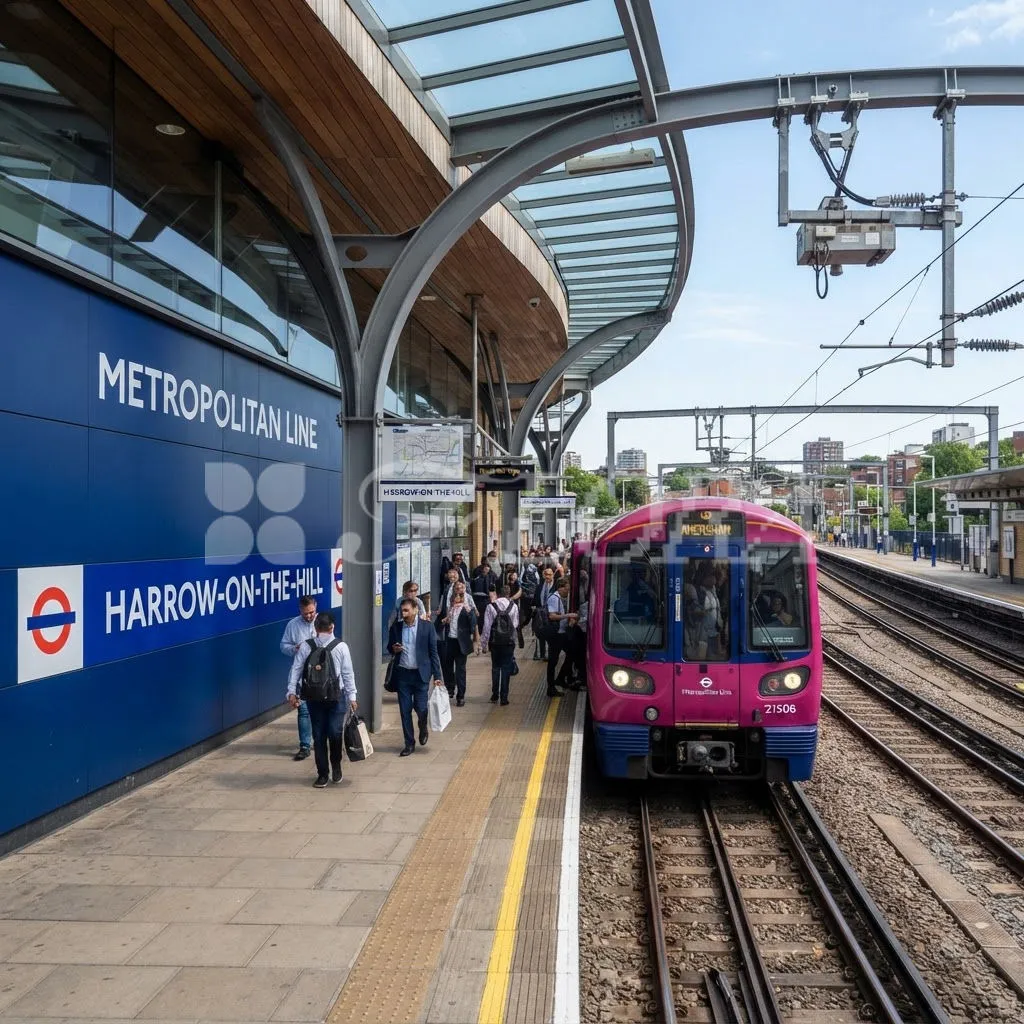
- 🚉 Harrow-on-the-Hill is a major station.
- 🟣 Metropolitan line trains serve it.
- 🚆 Chiltern Railways services connect nearby.
- 🏘️ Harrow is a large suburban area.
- 🎓 Harrow School is in the wider area.
- 🚌 Local buses serve nearby neighborhoods.
- 🚇 Trains continue toward central London.
- 🚆 Services also travel toward outer destinations.
- 🔄 It provides useful transport connections.
- 🧳 Visitors can use the station for north-west London.
- 📱 TfL information helps with journey planning.
- ⏰ Commuter periods can be busy.
- 🗺️ The station is important on the route map.
- 🚶 Local streets and shops surround the area.
- 🎒 Passengers should check the correct train destination.
- 🌟 It remains an important Metropolitan line station.
Harrow-on-the-Hill is particularly useful for people traveling between central London and suburban areas farther north-west.
Metropolitan Line and Watford
Watford is one of the Metropolitan line’s branch destinations. The route connects Watford with central London, making it useful for commuters and visitors traveling between Hertfordshire and the capital.
- 🚉 Watford is a branch destination.
- 🟣 Metropolitan line trains serve the area.
- 🏙️ Watford is in Hertfordshire.
- 🚇 Trains connect toward central London.
- 🚌 Local bus services provide connections.
- 🛍️ Watford has major shopping areas.
- 🏟️ Nearby attractions draw visitors.
- 🚆 The station connects outer areas with London.
- 🗺️ The branch appears on Tube maps.
- 📱 Passengers can check live services.
- ⏰ Commuter journeys can be busy.
- 🚶 The town center is accessible from local stations.
- 🎒 Travelers should check the final destination.
- 🔄 Service patterns can vary by time.
- 📋 Planned engineering works can affect journeys.
- 🌟 Watford remains an important outer Metropolitan line destination.
The Watford branch demonstrates how the Metropolitan line extends beyond the traditional central London Underground area.
Metropolitan Line to Amersham
Amersham is one of the Metropolitan line’s western branch termini. The journey takes passengers from central London into Buckinghamshire and provides an important connection between the capital and the Chilterns area.
- 🌳 Amersham is a branch terminus.
- 🟣 The Metropolitan line serves Amersham.
- 🏡 It is in Buckinghamshire.
- 🚆 Chiltern Railways also serves the area.
- 🌲 The surrounding area has countryside.
- 🏘️ Old Amersham has historic character.
- 🚶 Walking routes connect local areas.
- 🚌 Local buses provide connections.
- 🚇 Trains travel toward central London.
- 🗺️ Amersham appears on the Metropolitan line map.
- 📱 Journey planning is useful for longer trips.
- ⏰ Commuter services can be busy.
- 🎒 Visitors should check the train destination.
- 🌳 It provides access to areas outside London.
- 🚆 Rail connections add travel options.
- 🌟 Amersham is one of the line’s distinctive destinations.
Amersham gives the Metropolitan line a unique character because the route travels from dense central London into a greener suburban and countryside setting.
Metropolitan Line to Chesham
Chesham is the northern terminus of a branch of the Metropolitan line. It is located in Buckinghamshire and is one of the farthest destinations served by the London Underground.
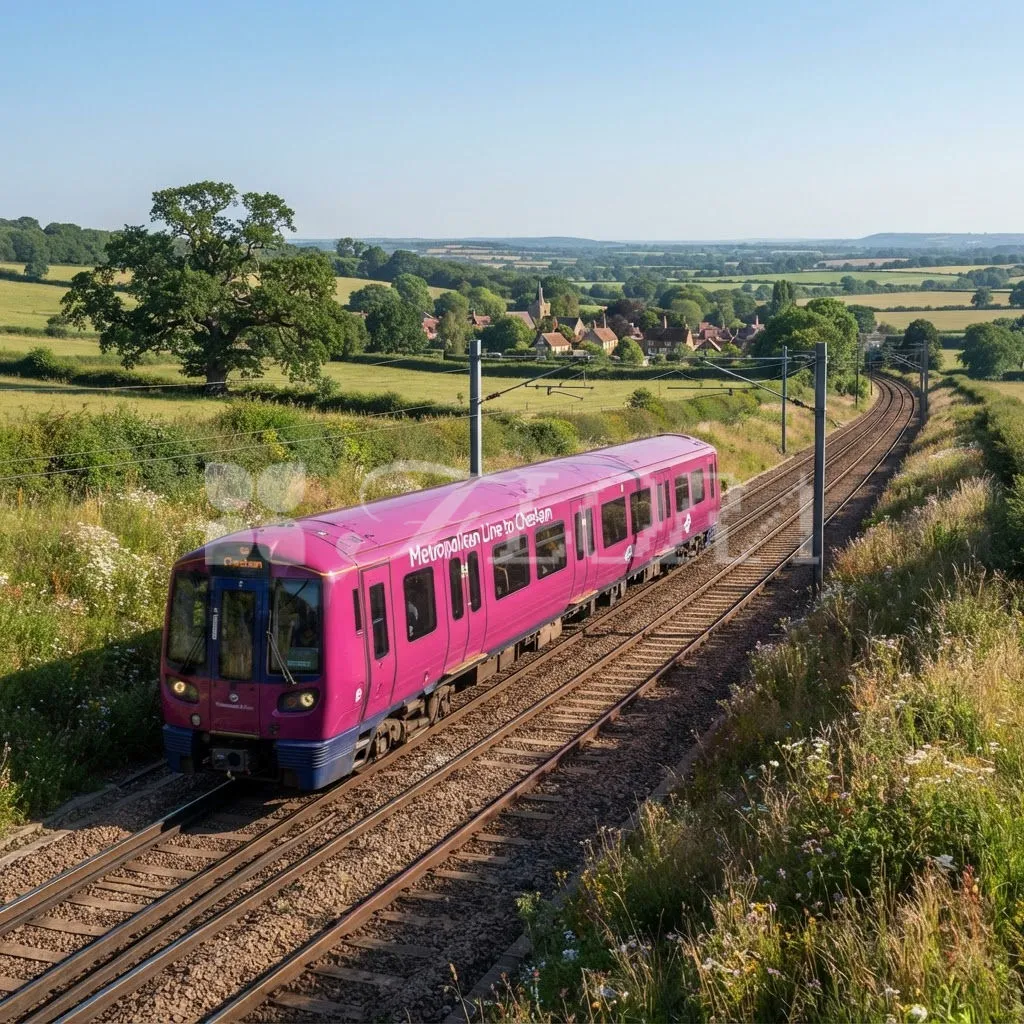
- 🚉 Chesham is a branch terminus.
- 🟣 Metropolitan line trains serve Chesham.
- 🏡 It is in Buckinghamshire.
- 🌳 The area has a suburban and rural character.
- 🚇 Trains connect it with central London.
- 🗺️ Chesham is shown on the Tube map.
- 🚆 The route passes through the Amersham branch.
- 🚌 Local buses serve the area.
- 🛍️ The town has local shops.
- 🚶 The town center is nearby.
- 📱 Travelers can check live service information.
- ⏰ Journey times are longer than central London trips.
- 🎒 Visitors should plan ahead.
- 🔄 Trains may have different destinations.
- 📋 Engineering works can affect branch services.
- 🌟 Chesham is a distinctive Metropolitan line destination.
The Chesham branch is useful for understanding how London’s Underground network extends beyond the city into surrounding communities.
Metropolitan Line to Uxbridge
Uxbridge is another western terminus of the Metropolitan line. The branch passes through west London and connects Uxbridge with central London.
- 🚉 Uxbridge is a western terminus.
- 🟣 Metropolitan line trains serve it.
- 🚇 Piccadilly line trains also serve Uxbridge.
- 🏙️ Uxbridge is in west London.
- 🛍️ The town has major shopping areas.
- 🏫 Brunel University is nearby.
- 🚌 Local buses connect surrounding areas.
- 🚇 Passengers can travel toward central London.
- 🗺️ Uxbridge appears clearly on the Tube map.
- 📱 TfL information helps with planning.
- ⏰ Peak periods can be busy.
- 🚶 The town center is close to the station.
- 🎒 Travelers should check train destinations.
- 🔄 The Piccadilly line offers another route.
- 📋 Planned works may affect service.
- 🌟 Uxbridge is an important western destination.
The Uxbridge branch gives the Metropolitan line another major connection with London’s western suburbs.
Metropolitan Line Trains
The Metropolitan line uses S Stock trains, which were introduced as part of a major modernization of London’s sub-surface lines. These trains were designed with features such as air conditioning, walk-through carriages, wider doors, and wheelchair spaces.
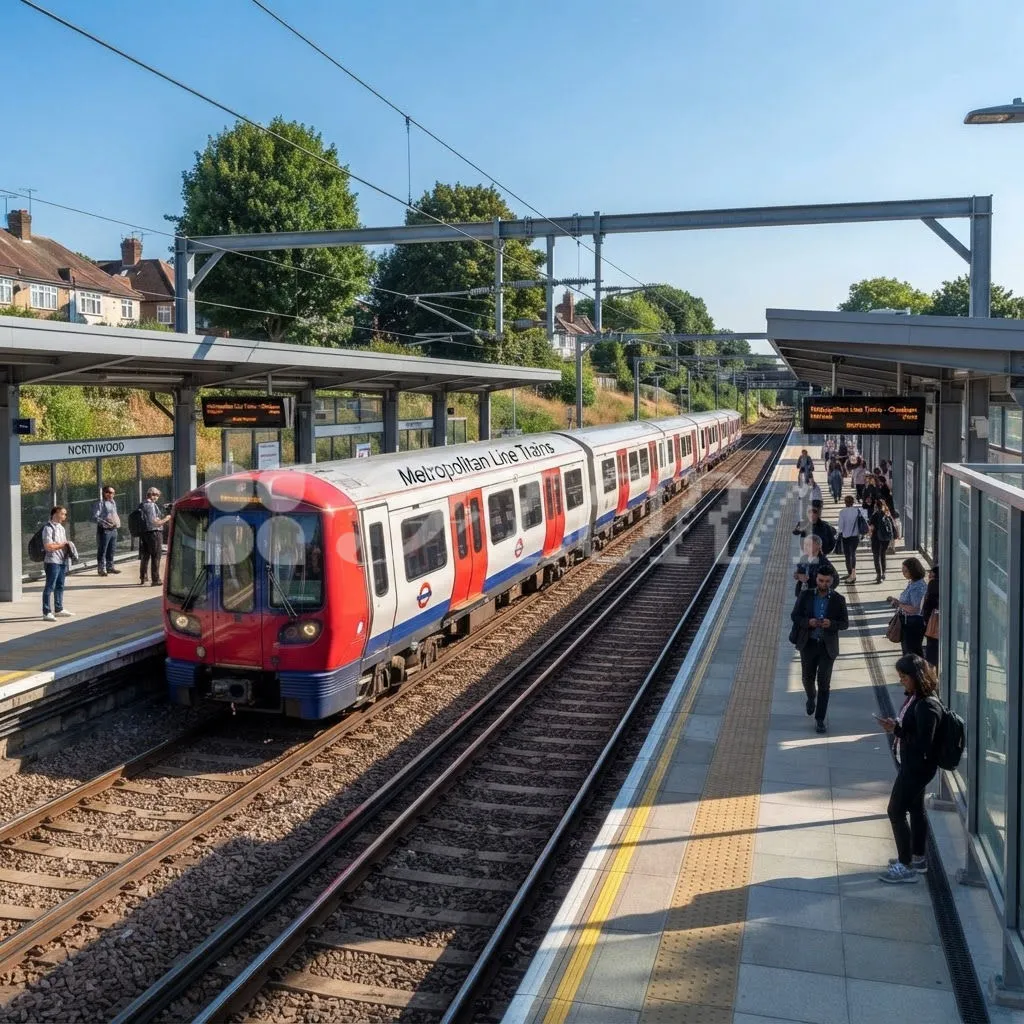
- 🚆 S Stock trains operate on the line.
- ❄️ The trains are air-conditioned.
- 🚪 They have wide doors.
- ♿ They include wheelchair spaces.
- 🛒 They provide space for buggies.
- 🚶 Passengers can walk between carriages.
- 🪑 Modern seating improves comfort.
- 📢 Passenger information systems provide updates.
- 🗺️ Digital displays show destinations.
- 🚇 The trains serve several sub-surface lines.
- 💡 Modern design improves passenger flow.
- 🔄 Walk-through carriages make movement easier.
- 🧳 Open interiors help passengers with luggage.
- 🌬️ Air conditioning is useful during warm weather.
- 📱 Travel information is displayed onboard.
- 🌟 The trains represent a major upgrade from older stock.
TfL identifies the Metropolitan line as the first Underground route to receive the new air-conditioned, fully walk-through S Stock trains, which entered service in 2010. (Made by TfL blog)
Metropolitan Line History
The Metropolitan line has an extraordinary history because its origins are connected to the world’s first underground passenger railway. The original Metropolitan Railway opened between Paddington and Farringdon in January 1863.
- 📜 The Metropolitan Railway opened in 1863.
- 🚇 It became the world’s first underground passenger railway.
- 🚉 The first route connected Paddington and Farringdon.
- 📅 Passenger services began on January 10, 1863.
- 🚂 Early trains were steam powered.
- 👥 Around 40,000 passengers traveled on the first day.
- 🏙️ The railway helped people travel under central London.
- 🏘️ Later extensions helped suburban growth.
- 🚆 The railway expanded far beyond central London.
- ⚡ Outer sections were eventually electrified.
- 📅 Amersham and Chesham services were electrified in 1961.
- 🚆 Modern electric trains replaced steam operations.
- 🛠️ The route became part of the London Underground system.
- 📱 Modern technology has transformed passenger travel.
- ❄️ S Stock trains arrived from 2010.
- 🌟 Its 19th-century origins still shape the network today.
TfL’s historical records confirm that the first Metropolitan Railway passenger service ran between Paddington and Farringdon in January 1863, while later electrification reached the Amersham and Chesham sections in 1961. (Transport for London)
Metropolitan Line Map and Connections
The Metropolitan line map is especially useful because the route connects with many other Underground and rail services. Knowing the main interchange stations can make journeys around London much easier.
- 🔄 Baker Street connects with several Tube lines.
- 🚆 King’s Cross St Pancras connects with National Rail.
- 🚇 Liverpool Street connects with Underground services.
- 🚆 Farringdon connects with major rail services.
- 🏙️ Moorgate serves the City.
- 🚉 Harrow-on-the-Hill provides local rail connections.
- 🚇 Uxbridge connects with the Piccadilly line.
- 🚇 Wembley Park connects with the Jubilee line.
- 🚆 Amersham connects with Chiltern Railways.
- 🚆 Rickmansworth provides local rail options.
- 🚇 Finchley Road connects with the Jubilee line.
- 🏛️ Baker Street is useful for central London changes.
- 🗺️ The Tube map shows interchange points.
- 📱 TfL Go can help plan changes.
- ⏰ Large stations may require extra walking time.
- 🌟 Good planning can make cross-London journeys easier.
The Metropolitan line’s combination of Tube, National Rail, and suburban connections makes it one of the most geographically interesting routes on the London network.
Metropolitan Line in 2026
The Metropolitan line continues to be an important part of London’s transport network in 2026. Modern trains, upgraded signaling, and its wide geographic reach make it useful for both city travel and longer suburban journeys.
- 🟣 It remains a major Underground route.
- 🚆 S Stock trains continue to operate.
- ❄️ Air-conditioned trains improve comfort.
- ♿ Modern trains include accessibility features.
- 🏙️ Central London remains a key part of the route.
- 🏘️ North-west London is strongly served.
- 🌳 The line reaches areas beyond London.
- 🚉 Amersham remains a branch terminus.
- 🏘️ Chesham remains a branch terminus.
- 🚆 Watford is another branch destination.
- 🏙️ Uxbridge is a western terminus.
- 🏟️ Wembley Park serves major events.
- 🏛️ Baker Street remains a famous interchange.
- 🚉 King’s Cross St Pancras remains a major connection.
- 🛠️ Signaling modernization continues across the sub-surface network.
- 🌟 The Metropolitan line remains historically and practically important.
TfL’s Four Lines Modernisation project is introducing new signaling technology across the Metropolitan, District, Circle, and Hammersmith & City lines, with work continuing on parts of the Metropolitan line. Passengers should check current service information before traveling. (Transport for London)
Frequently Asked Questions About the Metropolitan Line
The Metropolitan line can seem complicated because it has several branches and reaches destinations outside Greater London. These quick answers cover the most common questions about its route, stations, history, trains, and map.
- ❓ What color is the Metropolitan line? It is shown in magenta.
- 🚇 What is the Metropolitan line? It is a London Underground route serving central and north-west London and areas beyond London.
- 🚉 Where does the Metropolitan line go? It serves destinations including Watford, Amersham, Chesham, and Uxbridge.
- 🏛️ Does it stop at Baker Street? Yes.
- 🚆 Does it stop at King’s Cross St Pancras? Yes.
- 🏙️ Does it serve Liverpool Street? Yes.
- 🏟️ Does it serve Wembley Park? Yes.
- 🏘️ Does it serve Harrow-on-the-Hill? Yes.
- 🌳 Does it go to Amersham? Yes.
- 🏡 Does it go to Chesham? Yes.
- 🚆 Does it go to Watford? Yes.
- 🏙️ Does it go to Uxbridge? Yes.
- 🚆 What trains run on the Metropolitan line? Modern S Stock trains operate on the line.
- 📜 When did the Metropolitan Railway open? The original underground railway opened in January 1863.
- 🌍 Why is the Metropolitan line important? Its origins are connected with the world’s first underground passenger railway.
- 📱 Where can I check Metropolitan line delays? TfL’s current service information and journey-planning tools provide the latest updates.
Conclusion:
The Metropolitan line is far more than an ordinary London Underground route. Its history reaches back to 1863, when the Metropolitan Railway opened the world’s first underground passenger railway between Paddington and Farringdon. Over time, the route expanded into north-west London and beyond, eventually reaching destinations such as Amersham, Chesham, Watford, and Uxbridge.
In 2026, the line combines that remarkable history with modern S Stock trains, improved accessibility, air conditioning, and ongoing signaling upgrades. Its important stations—including Baker Street, King’s Cross St Pancras, Liverpool Street, Wembley Park, and Harrow-on-the-Hill—make it useful for commuters, tourists, students, and families.
Whether you need the Metropolitan line map, want to understand its branches, or are researching its history, knowing the main stations and destinations makes this famous London route much easier to understand.

David Parker is a content writer focused on motivational lines, personal development messages, and powerful words that inspire action.