
A weaver line can have different meanings depending on the subject or context where the term is used. In general, it may relate to weaving, textile patterns, threads, or a line created through a weaving process. Because the phrase is less common than terms such as warp, weft, or weave pattern, understanding the context is important.
In 2026, people searching for weaver line meaning, textile terms, weaving techniques, and fabric patterns often want a simple explanation with clear examples. This guide explains the meaning of the term, related weaving concepts, common applications, and useful distinctions between different types of lines and threads used in textile work.
What Is a Weaver Line?
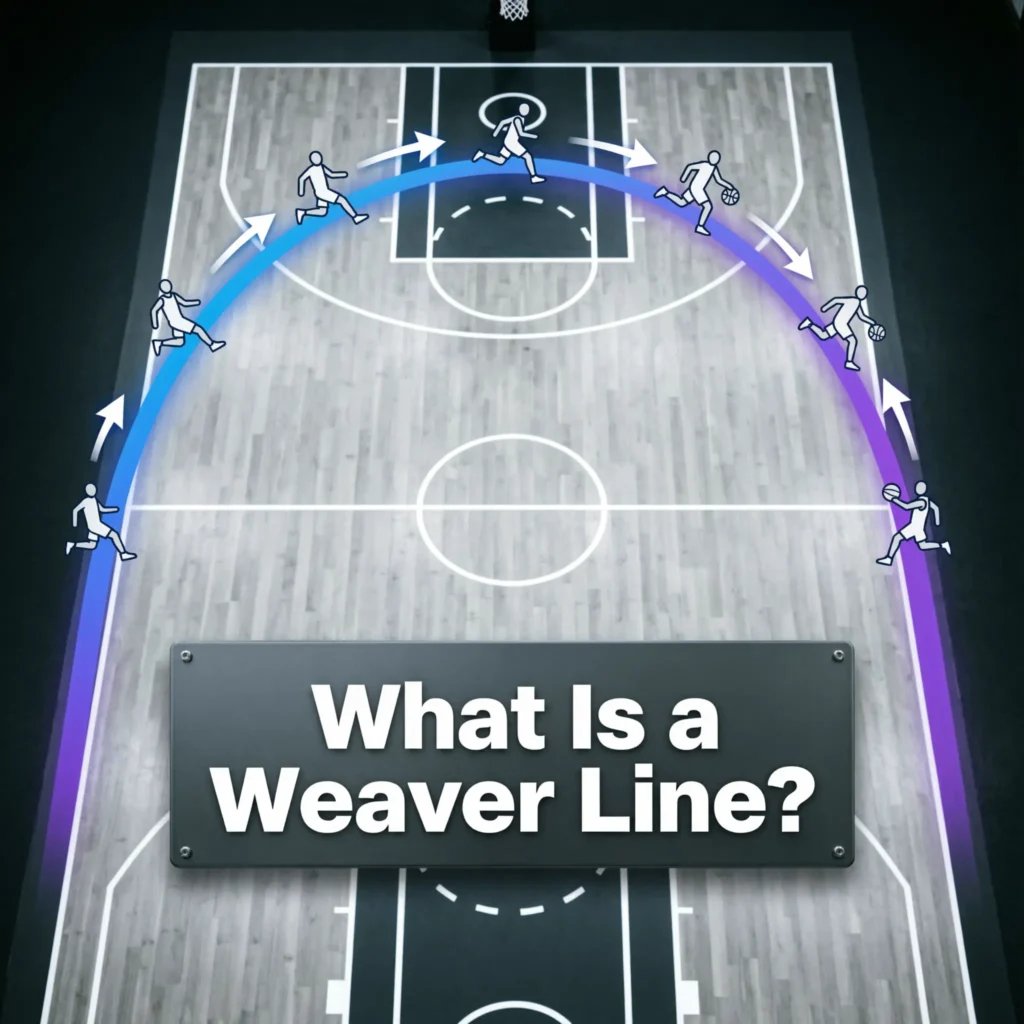
The phrase weaver line is generally connected with the world of weaving and textiles. A weaver works with threads or yarns to create fabric by arranging strands in an organized pattern. Depending on the source, a “weaver line” may describe a thread, a line within a woven design, or a visual line created by the arrangement of yarns.
- 🧵 Weaving uses threads to make fabric.
- 🪡 A weaver works with yarn or thread.
- 🧶 Yarn can be arranged in many patterns.
- ↔️ Horizontal threads are commonly called weft.
- ↕️ Vertical threads are commonly called warp.
- 🎨 Thread placement can create visual lines.
- 👕 Woven lines can appear in clothing.
- 🏠 Textile lines can appear in home fabrics.
- 🧺 Weaving is used in many cultures.
- 🖼️ Patterns can create decorative lines.
- 📐 Straight lines can form geometric designs.
- 🔲 Repeated lines can create fabric patterns.
- 🌈 Different colors can highlight woven lines.
- 🧑🎨 Weavers can create detailed designs.
- 📚 Textile vocabulary helps explain weaving.
- 🌿 Natural fibers can be used for woven fabric.
The exact meaning of “weaver line” depends on how the phrase is being used. In textile discussions, it is helpful to identify whether the writer means a thread, a structural direction in fabric, or a visible design line.
Weaver Line Meaning in Textile Work
In textile work, lines are an important part of how fabric is built and how its patterns look. A weaver controls the placement of threads to produce a particular structure. The resulting fabric may have straight lines, repeated patterns, stripes, checks, or more complex designs.
- 🧵 Thread placement creates fabric structure.
- ↕️ Warp threads run through the length of fabric.
- ↔️ Weft threads cross the warp.
- 🪡 A loom helps organize threads.
- 🧶 Yarn thickness affects the final look.
- 📏 Thread spacing can create visible lines.
- 🎨 Color changes can create stripes.
- 🔲 Crossing threads can create checks.
- 🌿 Fiber type affects texture.
- 🧑🎨 Skilled weavers control patterns carefully.
- 🏭 Machines can also produce woven designs.
- 🧺 Traditional weaving uses many methods.
- 📚 Textile terms describe different structures.
- 👕 Woven fabric is used for clothing.
- 🛋️ Fabric is also used in homes.
- 🌍 Weaving traditions exist around the world.
The word “line” in weaving can describe both structure and appearance. A line may be physically formed by yarns crossing one another or visually created through changes in color, thickness, spacing, or weave direction.
Warp and Weft Lines
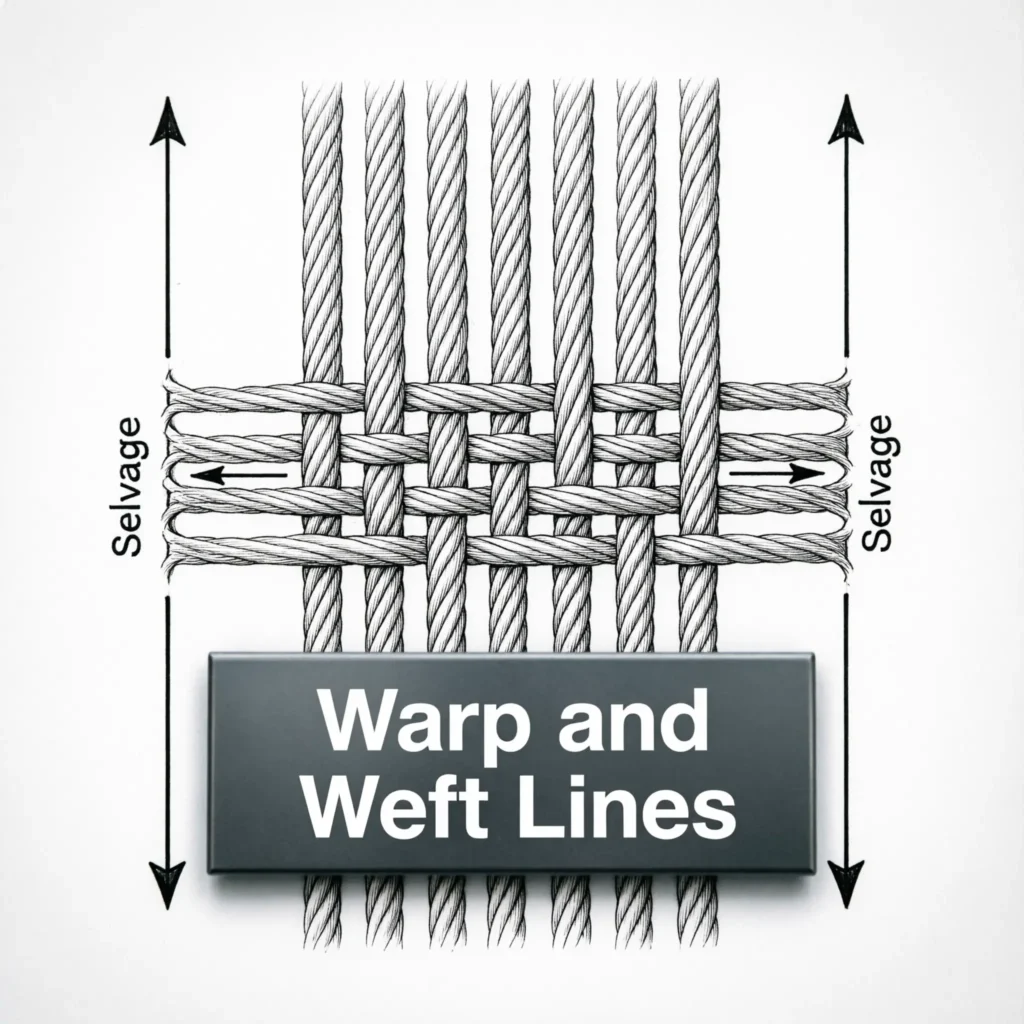
To understand weaving clearly, it helps to know the difference between warp and weft. These are two basic directions of yarn in woven fabric. Warp yarns usually run lengthwise, while weft yarns pass across them. Their interaction creates the basic structure of woven cloth.
- ↕️ Warp yarns generally run lengthwise.
- ↔️ Weft yarns generally run across the fabric.
- 🧵 Both are important to woven structure.
- 🪡 A loom holds the warp in position.
- 🧶 Weft yarn passes between warp threads.
- 📏 Thread direction can affect appearance.
- 👕 Clothing can use both directions.
- 🧺 Woven baskets also use crossing strands.
- 🛋️ Home textiles use woven structures.
- 🎨 Different yarn colors create patterns.
- 🔲 Warp and weft can form checks.
- ➖ Parallel threads can look like lines.
- ✚ Crossing threads create a grid-like structure.
- 🧑🎨 Weavers control thread arrangement.
- 📚 These are basic textile terms.
- 🌍 Warp and weft are used in many weaving traditions.
Warp and weft are often the easiest way to understand the structure behind a woven line. When the two sets of threads cross in a controlled way, they create a stable fabric with a particular texture and appearance.
Lines Created by Weaving Patterns
A woven pattern can create many different kinds of visual lines. Stripes, checks, diamonds, zigzags, and geometric shapes can all result from the way threads are arranged. These patterns can be decorative, traditional, or functional.
- ➖ Horizontal stripes create horizontal lines.
- ↕️ Vertical stripes create vertical lines.
- 🔲 Checks create crossing lines.
- 🔶 Diamonds create angled lines.
- ⚡ Zigzags create changing directions.
- 🔺 Triangles can form geometric patterns.
- 🌀 Curved effects can appear in complex designs.
- 🎨 Color changes make lines easier to see.
- 🧵 Thread thickness affects pattern strength.
- 📏 Spacing changes visual rhythm.
- 🪡 Weave structure controls texture.
- 👕 Patterns can decorate clothing.
- 🛋️ Designs can decorate home textiles.
- 🧺 Traditional fabrics often use repeated motifs.
- 🧑🎨 Artists can use weaving as visual design.
- 📚 Pattern names help describe textile structures.
Woven lines are therefore more than simple straight marks. They can form an entire visual language within a fabric. A skilled weaver can use direction, color, spacing, and repetition to create designs that are both useful and attractive.
Weaver Line vs. Warp Line
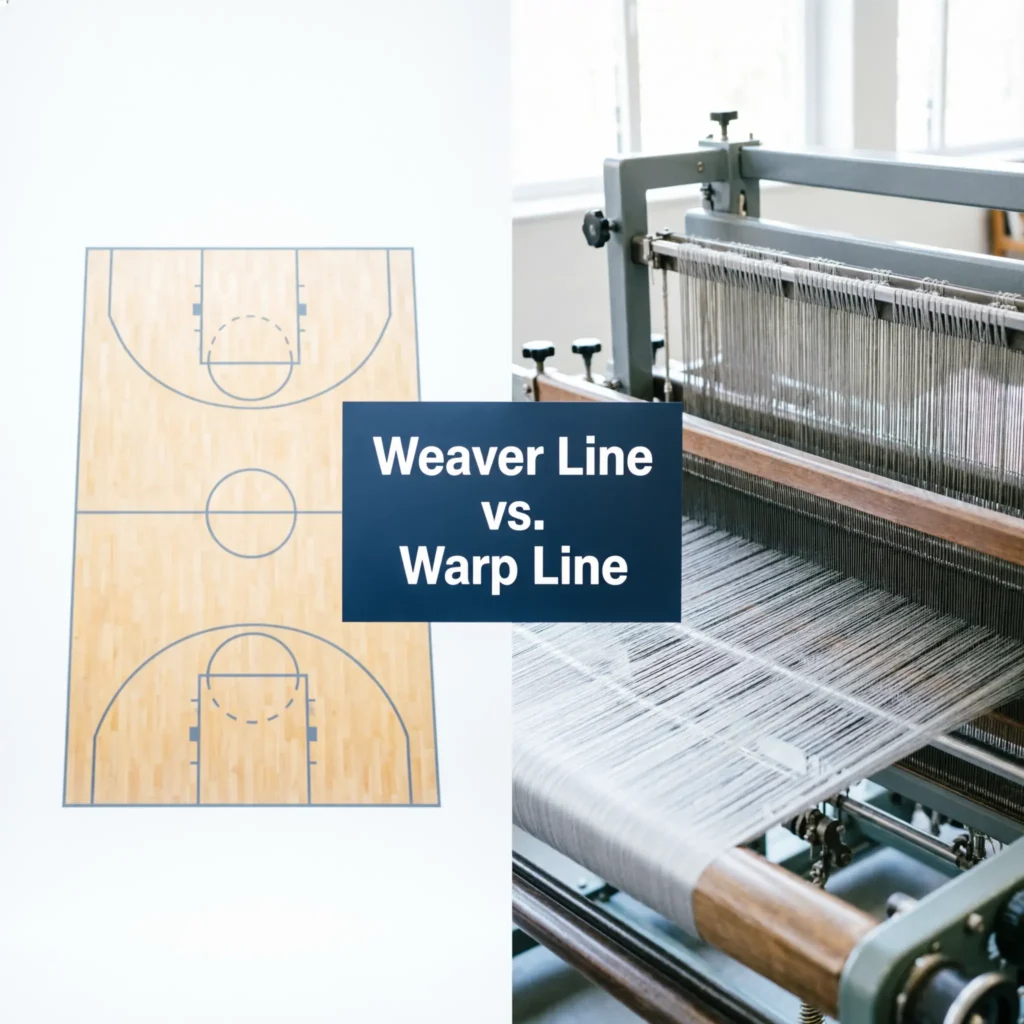
A weaver line and a warp line should not automatically be treated as the same term. Warp describes a specific direction of yarn in woven fabric, while “weaver line” is a broader phrase whose meaning depends on context. Knowing this difference helps avoid confusion in textile terminology.
- 🧵 Warp is a specific weaving term.
- ↕️ Warp generally follows the fabric length.
- 🪡 Warp threads are placed on the loom.
- ↔️ Weft crosses the warp.
- 📚 “Weaver line” can have broader usage.
- 🔎 Context determines its exact meaning.
- 📏 Warp direction can create visible lines.
- 🎨 Colored warp can form stripes.
- 🧶 Yarn thickness affects visibility.
- 👕 Warp is important in woven clothing.
- 🛋️ Warp exists in home textiles.
- 🧺 Traditional looms use warp threads.
- 🏭 Industrial looms also use warp.
- 🧑🎨 Weavers plan warp arrangement.
- 📐 Thread direction can create geometric effects.
- 🌍 Textile vocabulary differs between sources.
The safest approach is to use warp when discussing the lengthwise yarns in a woven fabric. If a source uses “weaver line,” check the surrounding information to understand exactly what the writer means.
Weaver Line and Looms
A loom is a tool or machine used to organize yarns during weaving. Traditional handlooms and modern industrial looms can both create woven fabric, although their designs and working methods differ. The loom provides an organized framework that allows warp and weft threads to form a stable textile.
- 🪡 Looms hold warp threads.
- 🧵 Warp threads remain organized.
- ↔️ Weft passes across the warp.
- 🧶 Yarn becomes fabric through interlacing.
- 🪵 Traditional looms may use wooden parts.
- ⚙️ Modern looms can use mechanical systems.
- 🏭 Industrial looms can produce fabric quickly.
- 🧑🎨 Hand weaving allows detailed control.
- 📏 Thread spacing affects the final fabric.
- 🎨 Looms can create colorful patterns.
- 🔲 Checks can be woven on suitable looms.
- ➖ Stripes can be created through yarn colors.
- 🔶 Complex designs require careful planning.
- 📚 Loom vocabulary helps beginners learn weaving.
- 🌍 Loom designs vary across cultures.
- 🧺 Weaving remains an important textile craft.
The loom is central to many weaving processes because it keeps the yarn organized while the weaver creates the fabric. Whether the loom is simple or highly automated, the basic idea is the controlled interlacing of threads.
Types of Lines in Woven Fabric
Woven fabric can contain many visible line patterns. These may come from thread direction, color, weave structure, or decorative techniques. Understanding these lines helps readers recognize patterns in clothing, rugs, blankets, baskets, and other textile products.
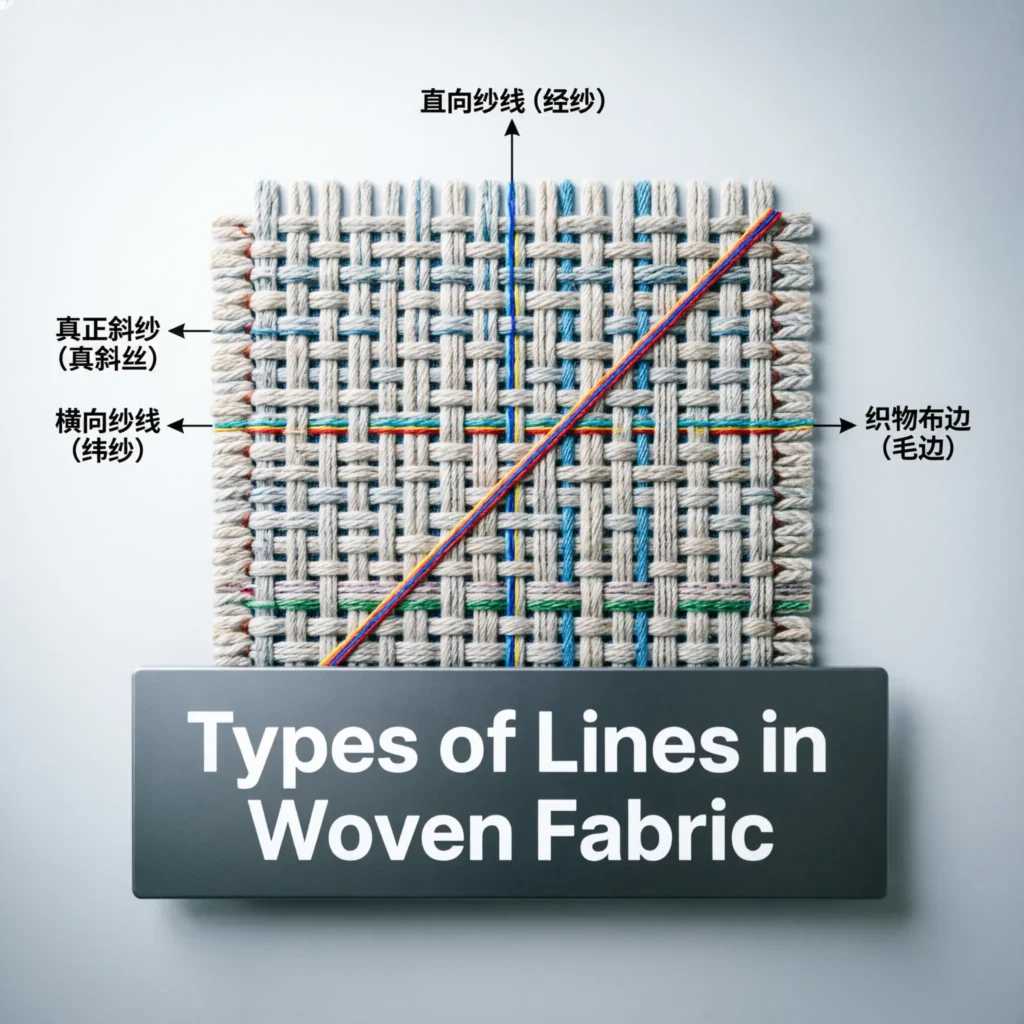
- ➖ Horizontal lines run across fabric.
- ↕️ Vertical lines follow fabric length.
- 🔲 Crossed lines form checks.
- 🔶 Diagonal lines create angled designs.
- ⚡ Zigzag lines change direction.
- 🎨 Color lines create stripes.
- 🧵 Thread lines reveal yarn direction.
- 📏 Fine lines come from closely spaced threads.
- 🪡 Raised lines can come from texture.
- 🧶 Thick yarn can create bold lines.
- 🌈 Multicolor yarn creates decorative effects.
- 🧺 Woven baskets can show crossing lines.
- 👕 Clothing can include striped patterns.
- 🛋️ Curtains may use woven line designs.
- 🖼️ Textile art can use lines creatively.
- 📚 Pattern names make descriptions easier.
The type of line seen in fabric often depends on how the threads are arranged. A simple striped fabric may use color differences, while a textured fabric may create lines through changes in yarn thickness or weave structure.
Weaver Lines in Traditional Textiles
Traditional weaving is an important part of cultural history in many parts of the world. Communities have developed unique ways to arrange threads, colors, and patterns. Woven lines can therefore carry both visual and cultural meaning.
- 🌍 Weaving exists in many cultures.
- 🧵 Traditional weavers often use local fibers.
- 🪡 Handlooms can create detailed patterns.
- 🎨 Colors may have cultural importance.
- 🔲 Repeated patterns can identify traditions.
- 👕 Traditional clothing often uses woven fabric.
- 🧺 Baskets can be woven from plant materials.
- 🛋️ Household textiles may be handmade.
- 🧑🎨 Weaving can be an artistic skill.
- 📚 Textile traditions can be passed between generations.
- 🌿 Natural fibers have long been used.
- 🧶 Wool can be used in many weaving traditions.
- 🌱 Cotton is common in textile production.
- 🪵 Traditional tools may be made from wood.
- 🧭 Regional styles can differ greatly.
- ❤️ Weaving can preserve cultural heritage.
Traditional woven lines are often more than decoration. They can reflect local materials, artistic choices, community traditions, and historical techniques. This makes weaving an important subject for both textile studies and cultural history.
Weaver Line Patterns in Clothing
Woven line patterns are common in clothing because they can create simple or striking visual effects. Stripes, checks, and geometric designs can change the way a garment looks without changing its basic purpose.
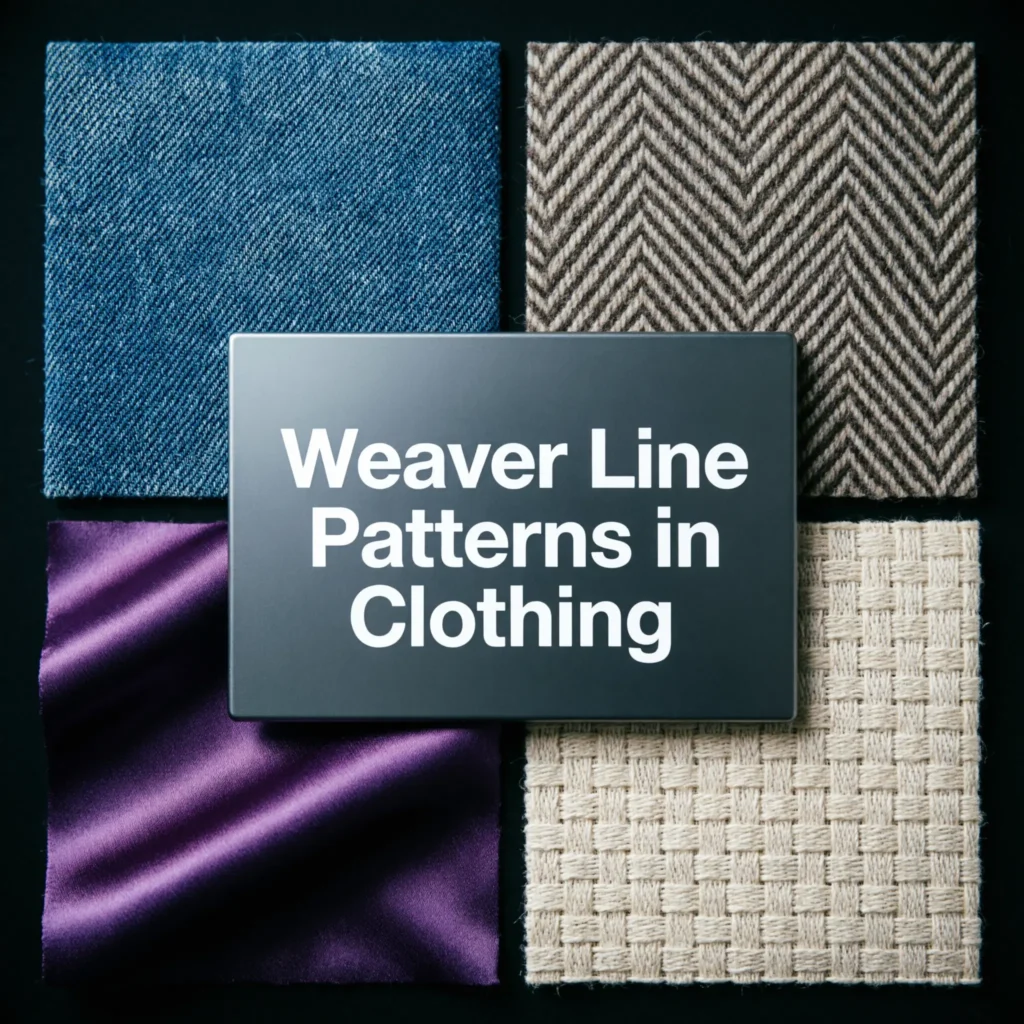
- 👕 Shirts can feature woven stripes.
- 👖 Trousers can use patterned fabric.
- 🧥 Jackets may contain woven designs.
- 🧣 Scarves often use line patterns.
- 👗 Dresses can use colorful woven fabric.
- 🧵 Fabric lines follow yarn structure.
- 🎨 Color creates visual contrast.
- ➖ Horizontal stripes create a broad visual direction.
- ↕️ Vertical stripes create a lengthwise direction.
- 🔲 Checks combine horizontal and vertical lines.
- 🔶 Diagonal patterns create movement.
- 🧶 Yarn thickness changes texture.
- 📏 Fine patterns can look subtle.
- 🌈 Multiple colors create complex designs.
- 🧑🎨 Designers choose patterns for style.
- 🛍️ Textile patterns influence clothing design.
Understanding woven lines can help explain why two fabrics with similar colors can look completely different. Their thread direction, spacing, texture, and pattern arrangement can create very different visual effects.
Weaver Lines in Home Textiles
Weaving is also important in home products. Rugs, curtains, blankets, cushions, table coverings, and other household textiles can contain visible woven lines. These lines may be simple and practical or highly decorative.
- 🏠 Home textiles often use woven fabric.
- 🛋️ Cushions can have striped patterns.
- 🪟 Curtains may contain woven lines.
- 🧺 Rugs can use repeated geometric patterns.
- 🛏️ Blankets can include woven designs.
- 🍽️ Tablecloths may use checks.
- 🧵 Thread direction creates fabric structure.
- 🎨 Color creates visual patterns.
- 📏 Spacing affects the design.
- 🔲 Checks create organized grids.
- 🔶 Diamonds create decorative shapes.
- 🪡 Texture can create raised lines.
- 🧶 Different yarns create different effects.
- 🌿 Natural fibers can create textured fabrics.
- 🧑🎨 Designers use lines for visual balance.
- 🏡 Textile patterns can influence room style.
Woven lines are useful in interior design because they add structure and visual rhythm. A simple stripe can create a clean look, while repeated geometric lines can create a more detailed decorative effect.
Weaver Line and Textile Design
Textile designers use lines to organize patterns and guide the viewer’s attention. A line can be created through color, thread direction, texture, or repeated shapes. These design choices can turn simple yarn into a visually interesting fabric.
- 🎨 Lines help organize textile designs.
- ➖ Horizontal lines create width.
- ↕️ Vertical lines create height.
- 🔶 Diagonal lines create movement.
- 🔲 Repeated lines create rhythm.
- 🧵 Thread direction creates structure.
- 🧶 Yarn thickness changes visual weight.
- 🌈 Color contrast makes lines stand out.
- 📏 Spacing creates balance.
- 🪡 Weave type changes surface texture.
- 🌀 Complex patterns can combine line directions.
- 👕 Designers use patterns in clothing.
- 🏠 Interior designers use textile patterns.
- 🖼️ Textile artists use line creatively.
- 📚 Design principles help explain visual effects.
- 🧑🎨 Planning is important for complex weaving.
Textile design combines technical weaving knowledge with creative thinking. A designer must consider how threads will behave while also deciding how the final pattern should look. This balance makes weaving both a practical skill and an art form.
Modern Weaver Lines and Technology
Weaving has changed significantly with modern technology. Computer-controlled looms can create highly detailed patterns and repeat designs with great precision. Digital design tools also allow textile designers to plan patterns before the fabric is produced.
- 💻 Computers can help design textile patterns.
- ⚙️ Automated looms can control thread movement.
- 🏭 Industrial weaving supports large-scale production.
- 📐 Digital tools help plan measurements.
- 🎨 Software can preview colors.
- 🧵 Machines can control yarn placement.
- 📏 Automated systems improve consistency.
- 🔲 Complex patterns can be repeated accurately.
- 🧶 Different yarns can be combined.
- 🌈 Digital color planning supports design.
- 🧑💻 Designers can edit patterns electronically.
- 🛠️ Technology can reduce manual repetition.
- 📚 Textile education now includes digital tools.
- 🌍 Modern production connects global markets.
- 🧑🎨 Creativity remains important.
- 🚀 New technology continues to improve textile production.
Modern weaving does not remove the importance of traditional knowledge. Instead, technology adds new tools for planning, producing, and testing fabric designs. In 2026, textile design can combine traditional weaving ideas with digital precision and modern manufacturing.
How to Identify a Weaver Line Pattern
Identifying a woven line pattern becomes easier when you look at direction, color, spacing, texture, and repetition. These simple features can tell you a lot about how a textile was designed and how its threads may be arranged.
- 🔎 Start by looking at the line direction.
- ↕️ Check for vertical lines.
- ↔️ Look for horizontal lines.
- 🔲 Identify crossing lines.
- 🔶 Look for diagonal shapes.
- ⚡ Check for zigzag patterns.
- 🎨 Compare different thread colors.
- 🧵 Look closely at individual yarns.
- 📏 Observe thread spacing.
- 🧶 Check yarn thickness.
- 🪡 Look for texture changes.
- 🔁 Notice repeated patterns.
- 🧺 Compare the front and back if appropriate.
- 📚 Use textile terms to describe the structure.
- 🖼️ Examine the pattern as a whole.
- 🧑🎨 Consider whether the line is structural or decorative.
The most useful question is: Is the line created by the physical arrangement of threads, or does it mainly appear because of color and pattern? This distinction can help you describe a woven textile more accurately.
Common Questions About Weaver Line
The phrase “weaver line” can be confusing because it is not always used as one fixed technical term. Searchers may use it while looking for weaving definitions, textile patterns, warp and weft information, or the meaning of a visible line in fabric.
- ❓ What does weaver line mean? It generally refers to a line or thread-related feature in weaving, depending on context.
- 🧵 What is a weaving line? It can describe a visible line created by yarn arrangement.
- ↕️ What is a warp line? It generally follows the length of woven fabric.
- ↔️ What is a weft line? It generally crosses the warp direction.
- 🪡 What does a loom do? It organizes yarns during weaving.
- 🎨 Can color create woven lines? Yes, contrasting yarn colors can form visible lines.
- 🔲 Can weaving create checks? Yes, crossing yarn colors and structures can create checks.
- 🔶 Can weaving create diagonal lines? Yes, suitable patterns can create diagonal designs.
- 🌍 Is weaving traditional? Yes, weaving has a long history in many cultures.
- 💻 Can technology create woven patterns? Modern looms can produce highly detailed patterns.
- 🧶 Does yarn type matter? Yes, yarn size and fiber can affect texture and appearance.
- 📏 Does spacing matter? Yes, thread spacing changes the visual pattern.
- 📚 Is “weaver line” a standard technical term? Its meaning can vary by source and context.
- 🔎 Why is context important? It tells you whether the phrase means a thread, direction, or visual pattern.
The best way to understand the phrase is to examine the textile context around it. If a source is discussing warp, weft, or loom construction, “line” may relate to thread direction. If it discusses design, the phrase may describe a visible pattern.
Why Weaver Lines Matter in 2026
Weaver lines may sound like a small textile detail, but lines are important in fabric structure, pattern design, clothing, interior decoration, and traditional crafts. Modern textile production continues to combine old weaving knowledge with new technology.
- 🧵 Lines help describe woven structures.
- 🪡 Thread arrangement creates fabric.
- 🎨 Lines create visual patterns.
- 👕 Clothing depends on many textile structures.
- 🏠 Home products use woven materials.
- 🌍 Traditional weaving preserves cultural knowledge.
- 💻 Digital design supports modern textiles.
- ⚙️ Automated looms improve production.
- 📏 Precise spacing improves consistency.
- 🧶 Yarn choice changes texture.
- 🌈 Color creates visual contrast.
- 🔲 Repetition creates pattern rhythm.
- 🔶 Geometry can inspire textile designs.
- 🧑🎨 Artists use weaving creatively.
- 📚 Textile vocabulary supports better learning.
- 🚀 Modern weaving continues to evolve.
In 2026, weaving remains a useful example of how technology, art, mathematics, and traditional skills can work together.
Conclusion:
The term weaver line is best understood through its context. In textile work, lines can describe thread directions, visible patterns, or design features created by weaving. Learning about warp and weft, loom structure, textile patterns, thread spacing, color, and fabric design makes the subject much easier to understand.
Woven lines appear in clothing, home textiles, traditional crafts, and modern fabric design. From simple stripes to complex geometric patterns, the arrangement of threads can create both structure and beauty. In 2026, traditional weaving and modern technology continue to work together, keeping textile design useful, creative, and relevant.

Andrew Collins creates inspiring content centered around success, motivation, leadership, and positive thinking.