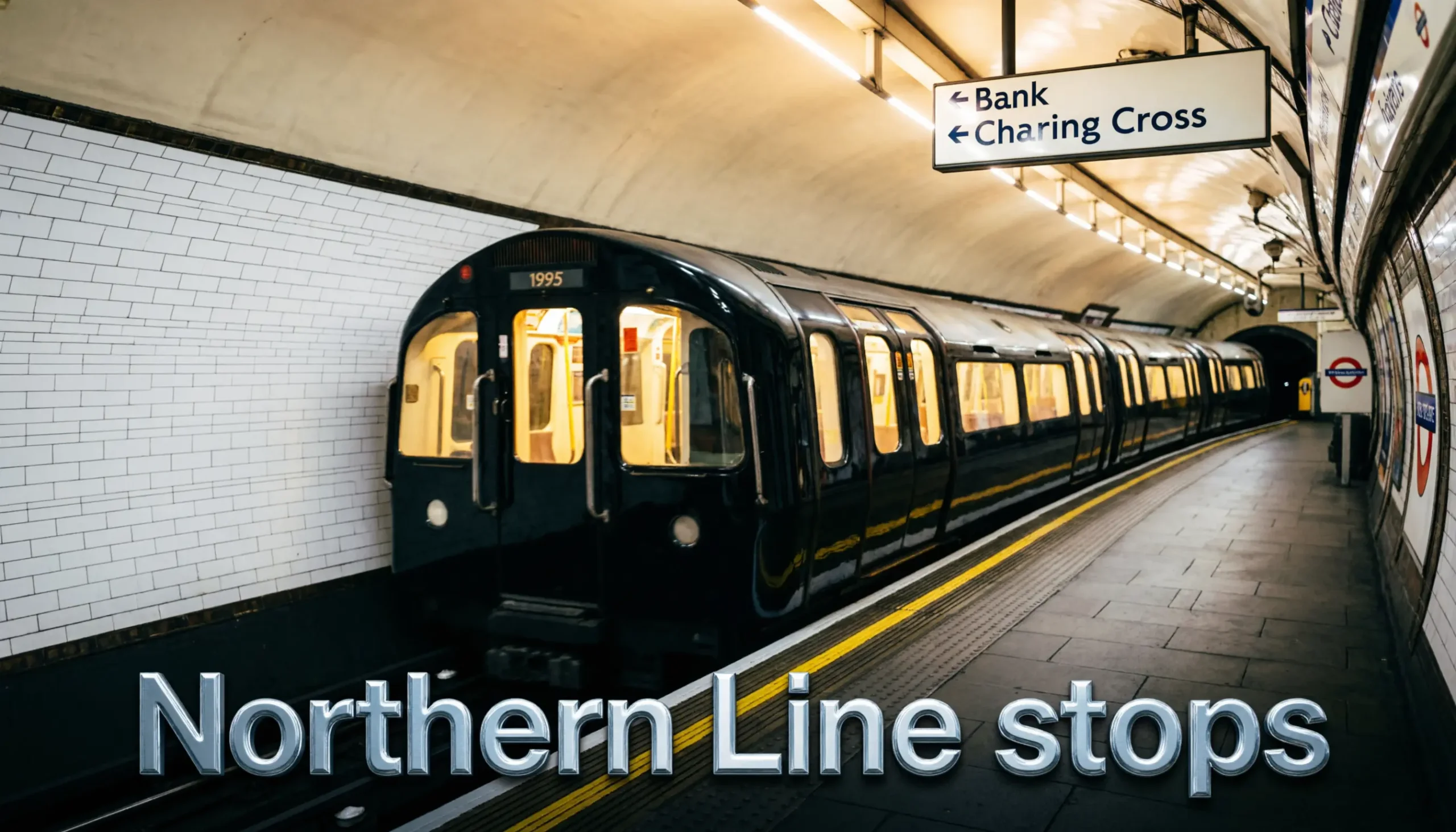
The Northern line stops are among the most useful stations on the London Underground because the line serves a large part of north, central, and south London. The route has several branches, so knowing the station order is important when planning a journey. In 2026, the Northern line includes services toward Edgware, High Barnet, Mill Hill East, Morden, and Battersea Power Station, with branches meeting around Camden Town and Kennington. TfL also continues to carry out improvement and engineering work, so passengers should check current service information before travelling. (Transport for London)
What Is the Northern Line?
The Northern line is one of London’s busiest Underground routes. It crosses central London and has several branches in the north and south. This means a train’s destination is especially important because not every Northern line train serves every stop. Understanding the branches makes the station map much easier to follow.
- 🚇 It is part of the London Underground.
- ⚫ The Northern line is shown in black on Tube maps.
- 🗺️ It has several branches.
- 📍 It serves north London.
- 🏙️ It passes through central London.
- 🌳 It reaches parts of south London.
- 🚉 It serves Edgware.
- 🚉 It serves High Barnet.
- 🚉 It serves Mill Hill East.
- 🚉 It serves Morden.
- 🚉 It serves Battersea Power Station.
- 🔄 Camden Town is an important branch point.
- 🚆 It connects with many other Tube lines.
- 📱 TfL provides current travel information.
- ⭐ It is an important part of London’s transport network.
Northern Line Stops in the North
The northern part of the line has several branches. Services travel toward Edgware, High Barnet, and Mill Hill East. These branches connect residential areas with central London and provide access to important interchange stations along the way.
- 🚇 Edgware is a northern terminus.
- 🚉 Burnt Oak is on the Edgware branch.
- 🌳 Colindale is served by the Northern line.
- 🚉 Hendon Central is on the route.
- 🏘️ Brent Cross is served.
- 🚉 Golders Green is a major north London stop.
- 🌳 Hampstead is served.
- 🚉 Belsize Park is on the route.
- 🚇 Chalk Farm is near Camden.
- 🎵 Camden Town is an important interchange.
- 🏘️ Totteridge & Whetstone is on that branch.
- 🚉 Woodside Park is served.
- 🌳 West Finchley is served.
- 🚉 Finchley Central is an important station.
- ⭐ Mill Hill East is a branch station.
These northern stations serve different communities but share the same route into central London. The branch structure is one of the most important things to understand when looking at the Northern line stops.
Edgware Branch Stops
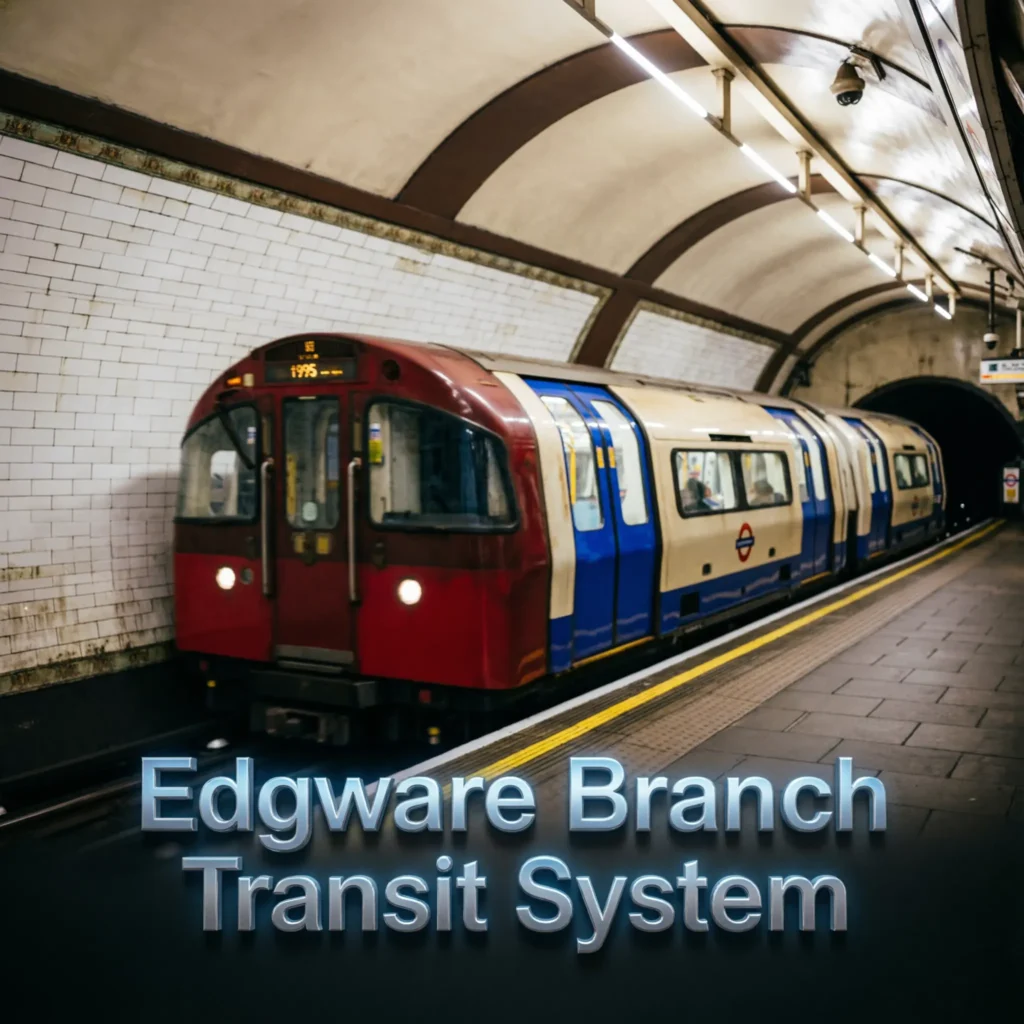
The Edgware branch runs through several north London neighbourhoods before reaching central London. Edgware is one of the Northern line’s northern termini. Passengers travelling from this branch should check that their train is going toward the correct destination because other Northern line trains may follow different northern routes.
- 🚉 Edgware is the northern terminus.
- 🏘️ Burnt Oak follows Edgware.
- 🌳 Colindale is another stop.
- 🚉 Hendon Central comes next.
- 🏙️ Brent Cross is served.
- 🚉 Golders Green is on the branch.
- 🌳 Hampstead follows Golders Green.
- 🚉 Belsize Park is another stop.
- 🎨 Chalk Farm serves the Camden area.
- 🚇 Camden Town connects the branches.
- 🏙️ Euston is further south.
- 🚉 Warren Street is a central stop.
- 🏙️ Goodge Street serves central London.
- 🎭 Tottenham Court Road is an important interchange.
- 🚉 Charing Cross is served.
- ⭐ Embankment is another major central stop.
The Edgware branch is useful for passengers travelling between north London and central London. It also provides access to major destinations such as Camden, Oxford Street through Tottenham Court Road, and the Westminster area through central connections.
High Barnet Branch Stops
The High Barnet branch is another northern section of the Northern line. It serves several areas around Barnet and Finchley before joining the central route. High Barnet is the northern terminus, while stations such as Finchley Central provide connections to the Mill Hill East branch.
- 🚉 High Barnet is the northern terminus.
- 🏘️ Totteridge & Whetstone is next.
- 🌳 Woodside Park follows.
- 🚉 West Finchley is served.
- 🏙️ Finchley Central is an important station.
- 🔄 Mill Hill East branches from Finchley Central.
- 🚉 East Finchley is further south.
- 🌳 Highgate is served.
- 🚉 Archway is another north London stop.
- 🏙️ Tufnell Park is on the route.
- 🚉 Kentish Town provides local connections.
- 🚇 Camden Town is a major interchange.
- 🏙️ Euston follows in central London.
- 🚉 Warren Street is served.
- 🎭 Goodge Street is another central station.
- ⭐ Tottenham Court Road is an important interchange.
This branch gives northern communities a direct Underground route toward central London. Finchley Central is particularly important because passengers can connect with the short branch to Mill Hill East.
Mill Hill East Branch
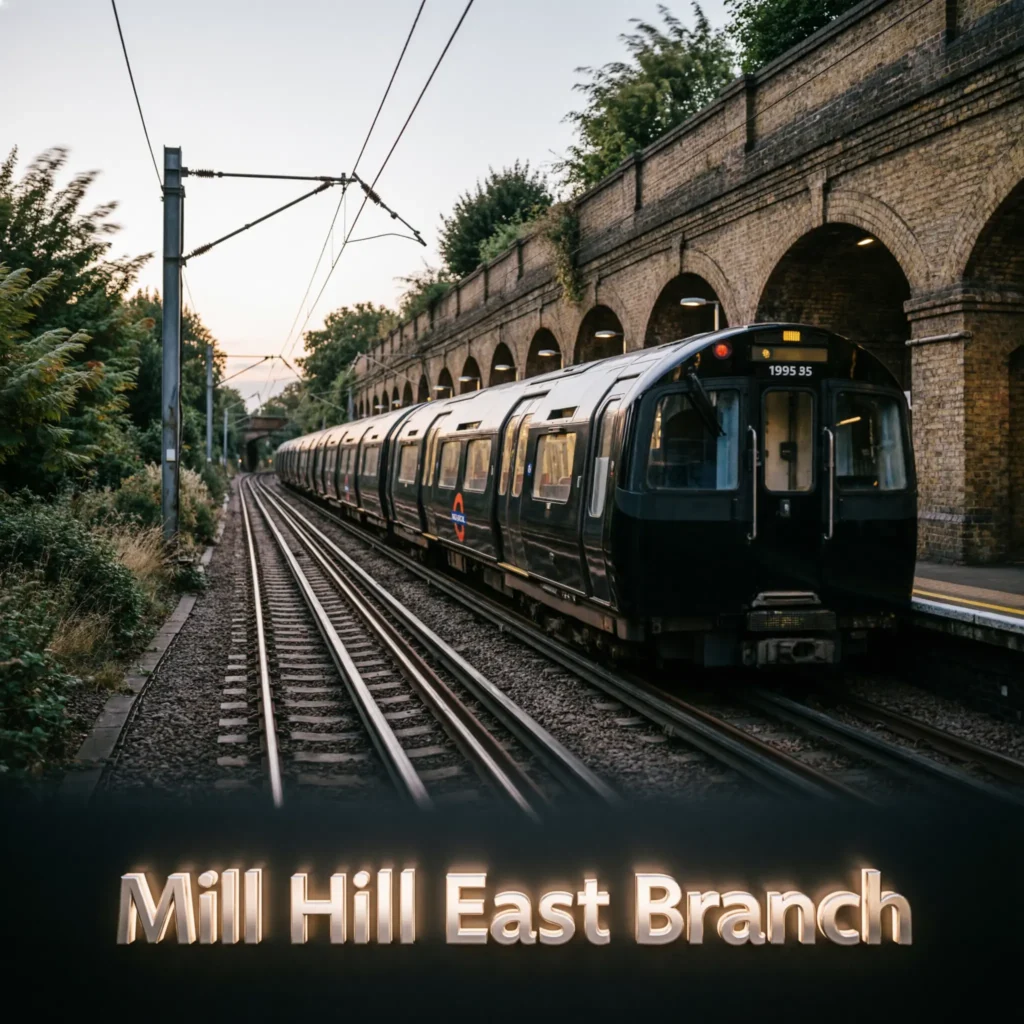
The Mill Hill East branch is the shortest Northern line branch. It connects Mill Hill East with Finchley Central, where passengers can continue along the High Barnet branch toward central London. The branch is useful for local residents and provides access to the wider Tube network.
- 🚉 Mill Hill East is the branch terminus.
- 🔄 Finchley Central connects with the main branch.
- 🏘️ Mill Hill East serves north London.
- 🌳 The area includes residential neighbourhoods.
- 🚇 Trains connect with the Northern line.
- 📍 Finchley Central is the interchange point.
- ⏱️ Service patterns can vary.
- 📱 TfL information can show current trains.
- 🗺️ The branch is easy to identify on a Tube map.
- 🔄 Passengers can change at Finchley Central.
- 🚉 High Barnet services continue north.
- 🏙️ Central London services continue south.
- 📚 The branch is useful for route planning.
- 🚆 Destination displays are important.
- 📝 Timetables can change during engineering work.
- ⭐ It is an important local branch.
Because Mill Hill East is a branch rather than a through route, passengers should pay attention to train destinations. Changing at Finchley Central can be necessary depending on the service and final destination.
Central Northern Line Stops
The central section links the northern branches with major destinations in central London. Stations such as Camden Town, Euston, Tottenham Court Road, Charing Cross, and Embankment are especially useful for visitors, commuters, and people changing between Underground lines.
- 🚇 Camden Town is a major interchange.
- 🚉 Euston serves a major railway station.
- 🏙️ Warren Street connects with other Tube services.
- 📍 Goodge Street is in central London.
- 🛍️ Tottenham Court Road serves the West End.
- 🎭 Charing Cross is near central attractions.
- 🌊 Embankment is near the River Thames.
- 🚉 Waterloo is an important interchange.
- 🏛️ Kennington is a southern junction.
- 🔄 Camden Town connects Northern branches.
- 🚇 The central section is heavily used.
- 🏙️ It serves major employment areas.
- 🎓 It provides access to educational areas.
- 🛍️ It serves shopping districts.
- 📱 Journey planners can help with changes.
- ⭐ Central stations are useful for visitors.
The central section is where many passengers use the Northern line for work, shopping, entertainment, and sightseeing. Because several major Tube connections are available, it can also be useful for changing to other routes.
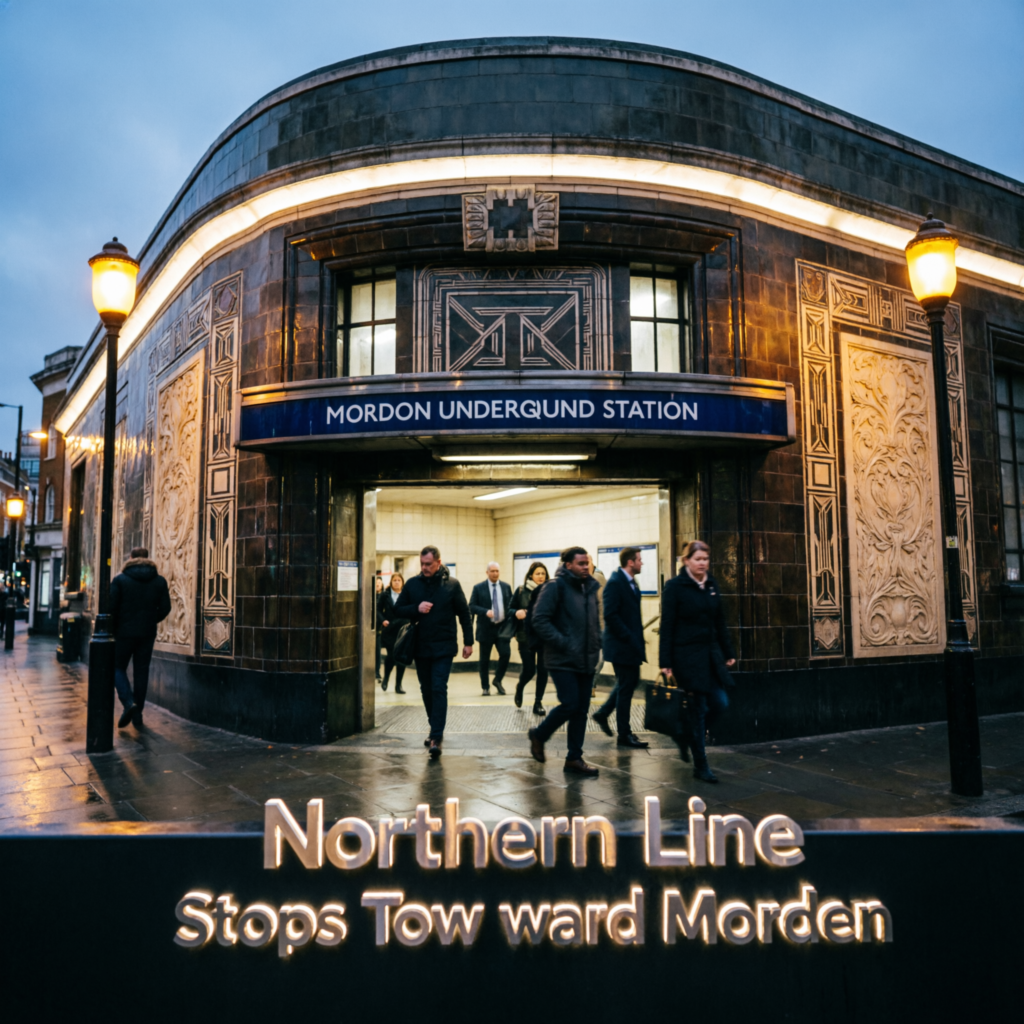
Northern Line Stops Toward Morden
The Morden branch continues south from the central section through several well-known south London stations. It serves areas including Clapham, Balham, Tooting, and Wimbledon-related neighbourhoods before reaching Morden, the southern terminus of this branch.
- 🚉 Kennington is an important southern junction.
- 🏙️ Elephant & Castle is a major interchange.
- 🚉 Borough serves south London.
- 🌉 London Bridge is an important transport hub.
- 🚇 Bank is a major City station.
- 🏙️ Moorgate provides central connections.
- 🚉 Old Street serves east-central London.
- 🏙️ Angel is north of central London.
- 🚉 Euston is an important railway connection.
- 🌳 Clapham North is on the route.
- 🚉 Clapham Common is served.
- 🏘️ Clapham South follows.
- 🚉 Balham is a major south London station.
- 🌳 Tooting Bec is served.
- 🚉 Colliers Wood is further south.
- ⭐ Morden is the southern terminus.
The Morden branch provides a long north-south connection through London. It is particularly useful for passengers travelling between central London and communities in south London.
Battersea Power Station Branch
The Northern line extension added two stations south of Kennington: Nine Elms and Battersea Power Station. TfL describes the extension as a major improvement to London’s transport network, opening in 2021 and later increasing service frequency. (Made by TfL blog)
- 🚇 Kennington connects with the extension.
- 🚉 Nine Elms is the first extension station.
- 🏙️ Battersea Power Station is the terminus.
- 🏗️ The extension opened in 2021.
- 🌆 Nine Elms has undergone major development.
- 🏭 Battersea Power Station is a major landmark.
- 🛍️ Shopping is available near Battersea Power Station.
- 🌳 Battersea Park is nearby.
- 🏢 New offices and homes surround the area.
- 🚆 The extension improves transport access.
- 📱 TfL provides current service information.
- 🔄 Kennington provides a connection with the main line.
- 🗺️ The extension appears on current Tube maps.
- 🏙️ It provides another route into central London.
- ⭐ It is the newest major Northern line section.
- 📅 Service patterns can change during engineering work.
The Battersea extension is an important part of the modern Northern line. It gives residents, workers, and visitors better Underground access to Nine Elms and Battersea.
Northern Line Stops at Major Interchanges
Several Northern line stations are especially useful when changing to another Tube or rail service. These interchanges can make longer journeys much easier. Stations such as Euston, London Bridge, Bank, Waterloo, and Tottenham Court Road are important examples.
- 🔄 Camden Town connects Northern branches.
- 🚉 Euston connects with National Rail.
- 🚇 Warren Street connects with other Tube services.
- 🛍️ Tottenham Court Road connects with the Elizabeth line.
- 🎭 Charing Cross connects with central London.
- 🌊 Embankment connects with several Tube lines.
- 🚉 Waterloo connects with National Rail.
- 🏙️ London Bridge connects with National Rail.
- 💼 Bank serves the City of London.
- 🚇 Moorgate provides Tube connections.
- 🏙️ Old Street serves the technology district.
- 🚉 King’s Cross St Pancras is nearby via other services.
- 🏘️ Highgate provides north London access.
- 🚉 Finchley Central connects with Mill Hill East.
- 🔄 Kennington connects the southern branches.
- ⭐ Interchanges make cross-London travel easier.
If your journey involves changing trains, checking the station and interchange before travelling can save time. Some stations have longer walking routes between platforms or connecting lines.
Northern Line Stops and London Attractions
Many Northern line stations are close to popular London attractions. This makes the route useful for visitors as well as local passengers. Camden, the West End, the City, the South Bank, and Battersea are all accessible from stations along the line.
- 🎨 Camden is near Camden Town.
- 🛍️ Oxford Street is accessible from Tottenham Court Road.
- 🎭 Soho is near Tottenham Court Road.
- 🎡 Leicester Square is near Charing Cross.
- 🌊 The Thames is near Embankment.
- 🏛️ Westminster attractions are nearby.
- 🎭 The West End is easy to reach.
- 🚉 Waterloo serves the South Bank.
- 🌉 London Bridge is near Tower Bridge.
- 🏙️ The City is near Bank.
- 🏭 Battersea Power Station has major attractions.
- 🌳 Battersea Park is nearby.
- 🎓 University areas are accessible along the route.
- 🏘️ Hampstead is served by Hampstead station.
- 🌲 Highgate is served by the Northern line.
- ⭐ The route is useful for sightseeing.
The Northern line can be a practical choice for visitors because it connects several areas with attractions. However, walking distances from stations can vary, so checking the final part of the journey is helpful.
Northern Line Map and Station Order
A Northern line map can look complicated because of its multiple branches. The easiest way to understand it is to separate the route into northern branches, the central section, and southern branches. TfL’s official Northern line material shows the branches and interchange points. (Transport for London)
- 🗺️ Edgware is one northern branch terminus.
- 🗺️ High Barnet is another northern terminus.
- 🗺️ Mill Hill East is a short branch.
- 🔄 Finchley Central is important for Mill Hill East.
- 🔄 Camden Town is important in the north.
- 🏙️ Euston is in the central section.
- 🛍️ Tottenham Court Road is central.
- 🎭 Charing Cross is central.
- 🌊 Embankment is central.
- 🔄 Kennington is important in the south.
- 🚉 Nine Elms is on the extension.
- 🏭 Battersea Power Station is the extension terminus.
- 🌳 Clapham stations are on the Morden branch.
- 🏘️ Tooting stations are on the Morden branch.
- 🚉 Morden is the southern terminus.
- ⭐ The map becomes easier when divided into branches.
The most important map-reading tip is to check the final destination displayed on the train. A Northern line train heading to Morden will not take you to Edgware, and a train heading toward High Barnet will follow a different northern branch.
Northern Line Stops and Accessibility
Accessibility can vary between stations, so passengers who need step-free access should check the current TfL accessibility information before travelling. Station facilities can change because of maintenance or improvement work, and not every Northern line station offers the same level of step-free access.
- ♿ Accessibility varies by station.
- 🚉 Some stations have step-free facilities.
- 🛗 Lifts may be available at selected stations.
- 📱 TfL provides accessibility information.
- 🗺️ Check the station before travelling.
- 🚆 Train-to-platform access can vary.
- 🚪 Platform layouts differ between stations.
- 👨👩👧 Families may benefit from planning ahead.
- 🧳 Luggage can make stairs harder.
- 🦽 Wheelchair users should check step-free routes.
- 👀 Station staff can provide assistance.
- 📢 Service changes can affect accessibility.
- 🚧 Engineering work can alter station access.
- 📄 Current information is more reliable than old maps.
- ⏱️ Allow extra time when changing.
- ⭐ Planning ahead makes journeys easier.
If accessibility is important for your journey, use the latest TfL station information rather than assuming that every station has the same facilities. This is particularly important when planning a route with several changes.
Northern Line Stops and 2026 Service Changes
The Northern line continues to receive maintenance and improvement work in 2026. TfL reported that overnight engineering hours on the Bank branch between Camden Town and Kennington were extended from January until late May 2026 for essential track replacement. Temporary changes can therefore affect the normal service pattern. (Transport for London)
- 🛠️ Engineering work can affect services.
- 🚧 Some stations or sections may close temporarily.
- 🌙 Night engineering can change late services.
- 📅 Weekend work may also occur.
- 🚇 Bank branch work has affected the timetable.
- 🛤️ Track replacement supports reliability.
- ⏱️ Journey times can change during works.
- 📱 TfL publishes service updates.
- 🗺️ Alternative routes may be available.
- 🔄 Other Tube lines can sometimes provide alternatives.
- 🚌 Replacement buses may operate during closures.
- 📢 Station announcements provide updates.
- 👀 Check before starting your journey.
- 🧳 Allow extra time when travelling.
- 📄 Old timetables may not reflect current conditions.
- ⭐ Current TfL information is the safest source for planning.
The Northern line’s regular route remains broadly familiar, but temporary engineering work can change how and when trains operate. Checking the latest TfL status before travelling is especially useful for late-night and weekend journeys.
Tips for Using Northern Line Stops
The Northern line is easy to use once you understand its branches. The biggest mistake passengers can make is boarding the first Northern line train without checking its destination. A little route planning can prevent unnecessary changes and help you reach the correct branch.
- 📱 Check your journey before leaving.
- 🗺️ Look at the Northern line map.
- 🚉 Identify your starting station.
- 📍 Find your destination station.
- 🔍 Check the train’s destination.
- 🔄 Plan any required changes.
- ⏰ Allow extra time for busy stations.
- 🚧 Check for engineering work.
- 📢 Listen to station announcements.
- 🚇 Follow the correct platform signs.
- 🧳 Allow more time with luggage.
- ♿ Check accessibility information if needed.
- 🎫 Use an accepted London travel payment method.
- 📱 Check live service information.
- 🚶 Follow signs when changing lines.
- ⭐ Recheck your route if services change.
The Northern line becomes much easier when you treat it as a group of branches rather than one simple line. Check the destination, know where the branches split, and confirm the latest service status before you travel.
Common Questions About Northern Line Stops
Questions about Northern line stops often focus on the branches, termini, and major interchange stations. The answers become clearer once the route is divided into its northern and southern sections. These basic facts are also useful for students, visitors, and anyone planning a London journey.
- ❓ What are the Northern line stops? They are the stations served by the Northern line.
- ❓ How many branches does it have? Several branches operate across north and south London.
- ❓ What are the northern termini? Edgware and High Barnet, with Mill Hill East as a branch terminus.
- ❓ What is the southern terminus? Morden is one main southern terminus.
- ❓ What is the extension terminus? Battersea Power Station.
- ❓ Where does the Mill Hill East branch connect? Finchley Central.
- ❓ Where do Northern branches meet? Camden Town is a key northern junction.
- ❓ What is important in the south? Kennington is a major junction.
- ❓ Does the line serve London Bridge? Yes.
- ❓ Does it serve Waterloo? Yes.
- ❓ Does it serve Euston? Yes.
- ❓ Does it serve Camden Town? Yes.
- ❓ Does it serve Tottenham Court Road? Yes.
- ❓ Does it reach Battersea? Yes.
- ❓ Can services change because of engineering? Yes.
- ❓ Where should I check current service information? TfL is the best source.
The Northern line is one of London’s most complex Tube routes, but its station pattern is easier to remember when divided into branches. Always check the train destination and current TfL service information before travelling.
Conclusion:
The Northern line stops cover a wide area of London, from Edgware, High Barnet, and Mill Hill East in the north to Morden and Battersea Power Station in the south. Major central stops include Camden Town, Euston, Tottenham Court Road, Charing Cross, Embankment, London Bridge, Bank, and Waterloo. The route’s branches make it important to check the destination of your train before boarding. (Transport for London)
For 2026 travel, passengers should also check current TfL service information because engineering work can temporarily affect routes, operating hours, and station access.

David Parker is a content writer focused on motivational lines, personal development messages, and powerful words that inspire action.