

The Bakerloo line is one of London’s best-known Underground routes, connecting Harrow & Wealdstone in north-west London with Elephant & Castle in south London. Its brown color makes it easy to spot on the Tube map. The line passes through important destinations including Paddington, Baker Street, Oxford Circus, Piccadilly Circus, Charing Cross, Waterloo, and Elephant & Castle. It first opened in 1906 and remains a distinctive part of London’s transport network in 2026. (Transport for London)
What Is the Bakerloo Line?
The Bakerloo line is a London Underground route that crosses central London from north-west to south-east. It is known for its historic stations, central London connections, and older trains.
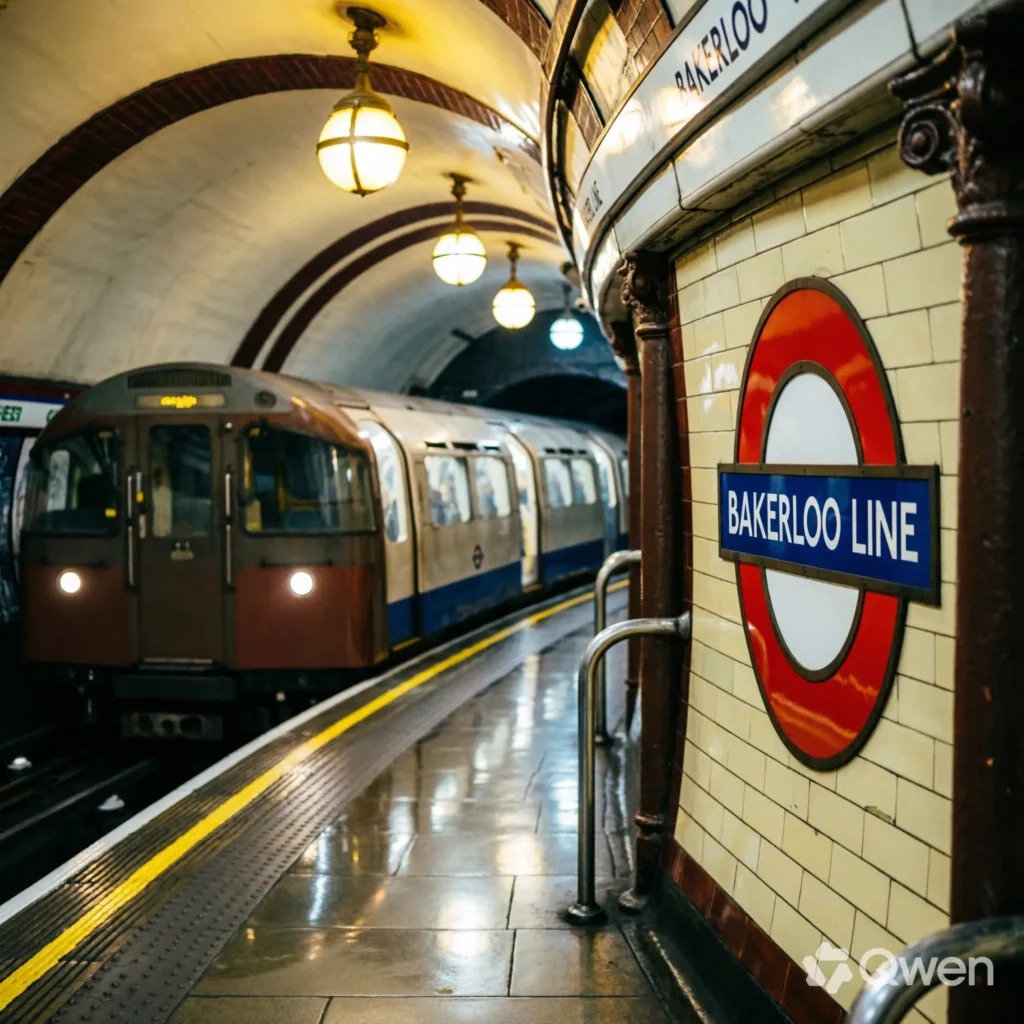
- 🚇 It is a London Underground line.
- 🤎 Its map color is brown.
- 🏙️ It crosses central London.
- 🚉 Harrow & Wealdstone is its northern end.
- 🏙️ Elephant & Castle is its southern end.
- 🏛️ Baker Street is an important stop.
- 🚆 Paddington provides rail connections.
- 🛍️ Oxford Circus serves a major shopping area.
- 🎡 Piccadilly Circus is a famous destination.
- 🏛️ Charing Cross is close to central attractions.
- 🚉 Waterloo is a major transport hub.
- 🌳 Regent’s Park is near one of its stations.
- 🚆 Some services terminate before Harrow & Wealdstone.
- 📜 The line opened in 1906.
- 🚆 Its trains are among the oldest on the Underground.
- 🌟 It remains important in 2026.
The Bakerloo line combines historic importance with practical connections across London, making it useful for commuters and visitors alike.
Bakerloo Line Route
The Bakerloo line travels through north-west London, central London, and south London. Its route includes 25 stations and passes through several major transport and tourist areas. (Transport for London)
- 🚉 Harrow & Wealdstone
- 🚉 Kenton
- 🚉 South Kenton
- 🚉 North Wembley
- 🚉 Wembley Central
- 🚉 Stonebridge Park
- 🚉 Harlesden
- 🚉 Willesden Junction
- 🚉 Kensal Green
- 🚉 Queen’s Park
- 🚉 Kilburn Park
- 🚉 Maida Vale
- 🚉 Warwick Avenue
- 🚉 Paddington
- 🚉 Edgware Road
- 🚉 Marylebone
- 🚉 Baker Street
- 🚉 Regent’s Park
- 🚉 Oxford Circus
- 🚉 Piccadilly Circus
- 🚉 Charing Cross
- 🚉 Embankment
- 🚉 Waterloo
- 🚉 Lambeth North
- 🚉 Elephant & Castle
The route gives passengers a direct journey through several different parts of London, from suburban neighborhoods to the heart of the West End.
Bakerloo Line Stations
The Bakerloo line stations range from suburban stops to some of London’s busiest Underground interchanges. Several stations also connect with other rail or Tube services.
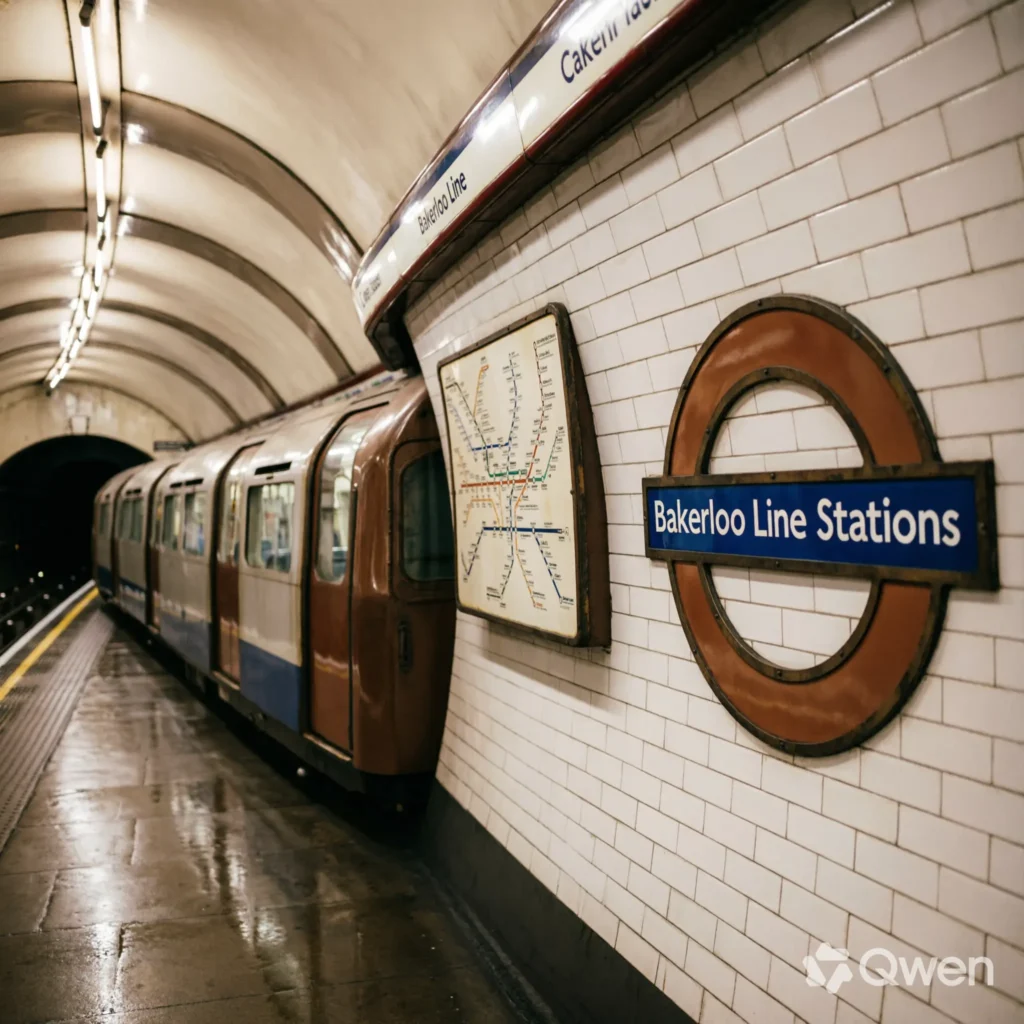
- 🚉 Harrow & Wealdstone connects with the Lioness line.
- 🚉 Kenton serves north-west London.
- 🚉 South Kenton provides local connections.
- 🚉 North Wembley serves Wembley.
- 🚉 Wembley Central is a useful interchange.
- 🚉 Stonebridge Park connects with the Lioness line.
- 🚉 Harlesden serves a busy local area.
- 🚉 Willesden Junction is an important interchange.
- 🚉 Kensal Green serves north-west London.
- 🚉 Queen’s Park connects with the Lioness line.
- 🚉 Kilburn Park is close to Kilburn.
- 🚉 Maida Vale serves a residential area.
- 🚉 Warwick Avenue is near Little Venice.
- 🚉 Paddington connects with major rail services.
- 🚉 Baker Street connects with several Tube lines.
- 🚉 Waterloo is one of London’s major transport hubs.
The full station list is shown on TfL’s Bakerloo line map and station information. (Transport for London)
Bakerloo Line and Baker Street
Baker Street is one of the most famous stations on the Bakerloo line. It is also strongly associated with Sherlock Holmes and provides connections with several Underground routes.
- 🏛️ Baker Street is a central London station.
- 🚇 The Bakerloo line serves it.
- 📚 The Sherlock Holmes Museum is nearby.
- 🚇 Multiple Tube lines meet here.
- 🚉 Marylebone station is close.
- 🌳 Regent’s Park is nearby.
- 🛍️ Local shopping is available.
- 🍽️ Restaurants surround the area.
- 🚶 Many attractions are walkable.
- 📸 It is popular with tourists.
- 🗺️ It is an important interchange.
- 🚆 Marylebone rail station is nearby.
- 🚌 Buses provide additional connections.
- ⏰ The station can become busy.
- 🌟 Baker Street is one of the line’s most recognizable stops.
Baker Street is especially useful for passengers changing between Underground services or exploring central London.
Bakerloo Line and Paddington
Paddington is one of the most important railway areas served by the Bakerloo line. It connects Underground passengers with National Rail services and other London transport options.
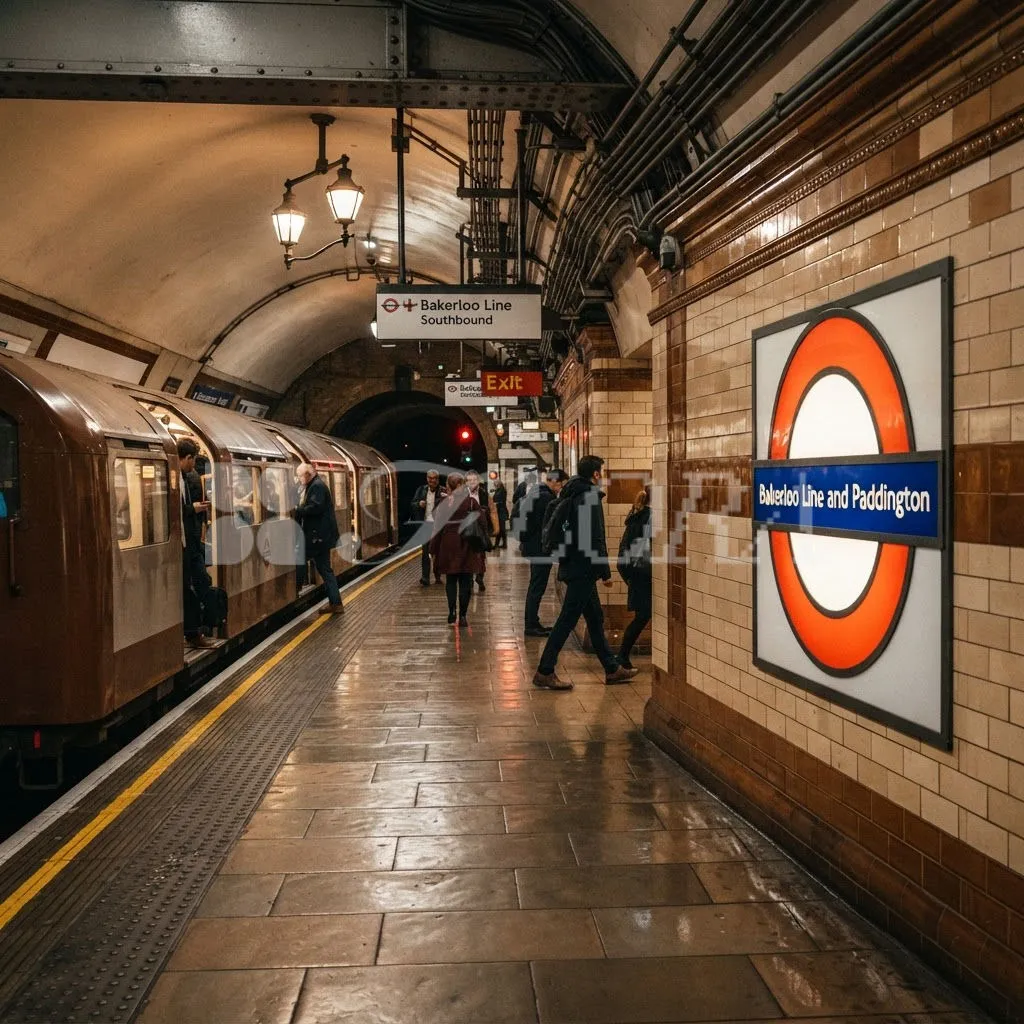
- 🚉 Paddington is a major London station.
- 🚇 The Bakerloo line serves it.
- 🚆 National Rail services operate here.
- 🚇 Elizabeth line services also serve Paddington.
- 🧳 Travelers frequently use the station.
- 🏨 Many hotels are nearby.
- 🌳 Hyde Park is close.
- 🚶 Little Venice is within walking distance.
- 🚌 Local buses provide more connections.
- 🗺️ Station signs help passengers transfer.
- 🎒 Travelers with luggage should allow extra time.
- 📱 Journey planners can help with changes.
- ⏰ The area can be busy during peak periods.
- 🚆 It connects central London with destinations outside the city.
- 🌟 Paddington is one of the Bakerloo line’s most useful interchanges.
Bakerloo Line and Oxford Circus
Oxford Circus is one of the busiest central London stations on the Bakerloo line. It sits at the meeting point of Oxford Street and Regent Street.
- 🛍️ Oxford Street is nearby.
- 🚇 The Bakerloo line serves Oxford Circus.
- 🚇 The Victoria line also serves it.
- 👗 The area is famous for shopping.
- 🏙️ It sits in the West End.
- 🎭 Theatres are nearby.
- 🍽️ Restaurants surround the area.
- 📸 Tourists visit throughout the year.
- 🚶 Regent Street is close.
- 🏬 Many major stores are nearby.
- 🚌 Bus routes provide alternatives.
- ⏰ The station can become very crowded.
- 🎒 Visitors should allow extra travel time.
- 🗺️ It is an important Tube interchange.
- 📱 Live travel information can help.
- 🌟 Oxford Circus is a key Bakerloo line destination.
Oxford Circus is particularly useful for reaching London’s major shopping and entertainment districts.
Bakerloo Line and Piccadilly Circus
Piccadilly Circus is another famous central London stop. It provides access to the West End, theaters, restaurants, shops, and well-known London landmarks.
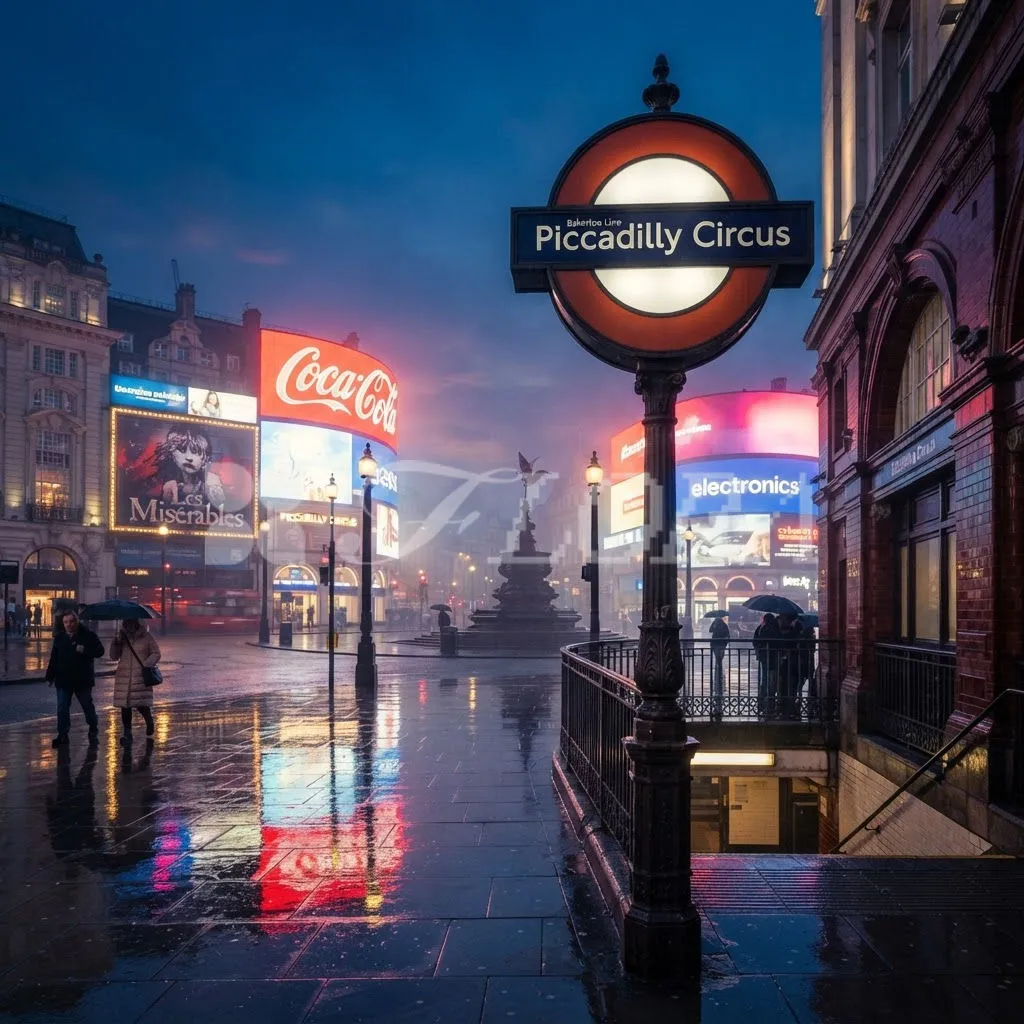
- 🎡 Piccadilly Circus is a famous London location.
- 🚇 The Bakerloo line serves the station.
- 🚇 The Piccadilly line also serves it.
- 🎭 West End theaters are nearby.
- 🛍️ Shopping streets surround the area.
- 🍽️ Restaurants are plentiful.
- 📸 Tourists frequently visit.
- 🚶 Leicester Square is nearby.
- 🎭 Soho is close.
- 🏙️ Trafalgar Square is within walking distance.
- 🚌 Buses provide additional travel options.
- ⏰ The station can be very busy.
- 🗺️ It is a useful interchange.
- 📱 Visitors can use journey planners.
- 🌟 It is one of the Bakerloo line’s most recognizable stops.
The station’s location makes the Bakerloo line convenient for visitors exploring central London’s entertainment district.
Bakerloo Line and Charing Cross
Charing Cross is an important central London station on the Bakerloo line. It provides access to Trafalgar Square, the Strand, and many West End attractions.
- 🚇 The Northern line also serves the station.
- 🏛️ Trafalgar Square is nearby.
- 🎭 The West End is close.
- 🚆 Charing Cross railway station is nearby.
- 🏛️ The National Gallery is close.
- 🚶 The Strand is within walking distance.
- 🛍️ Shopping areas are nearby.
- 🍽️ Restaurants serve the surrounding streets.
- 📸 Tourists often visit.
- 🚌 Bus connections are available.
- 🗺️ It is useful for central London travel.
- ⏰ The area can be busy.
- 🎒 Visitors should plan ahead.
- 📱 Journey information can help.
- 🌟 Charing Cross is an important Bakerloo line stop.
Bakerloo Line and Waterloo
Waterloo is one of London’s largest and busiest transport hubs. The Bakerloo line provides an important connection between central London and south London through this station.
- 🚆 Waterloo railway station is nearby.
- 🚇 The Jubilee line serves Waterloo.
- 🚇 The Northern line serves Waterloo.
- 🚇 The Waterloo & City line serves the station.
- 🚆 National Rail services operate here.
- 🎭 The South Bank is nearby.
- 🎡 The London Eye is close.
- 🏛️ The Southbank Centre is nearby.
- 🚌 Many buses serve the area.
- 🧳 Travelers often pass through Waterloo.
- ⏰ The station can be extremely busy.
- 🗺️ It is one of London’s key interchanges.
- 📱 Journey planners are useful here.
- 🌟 Waterloo is a major Bakerloo line connection.
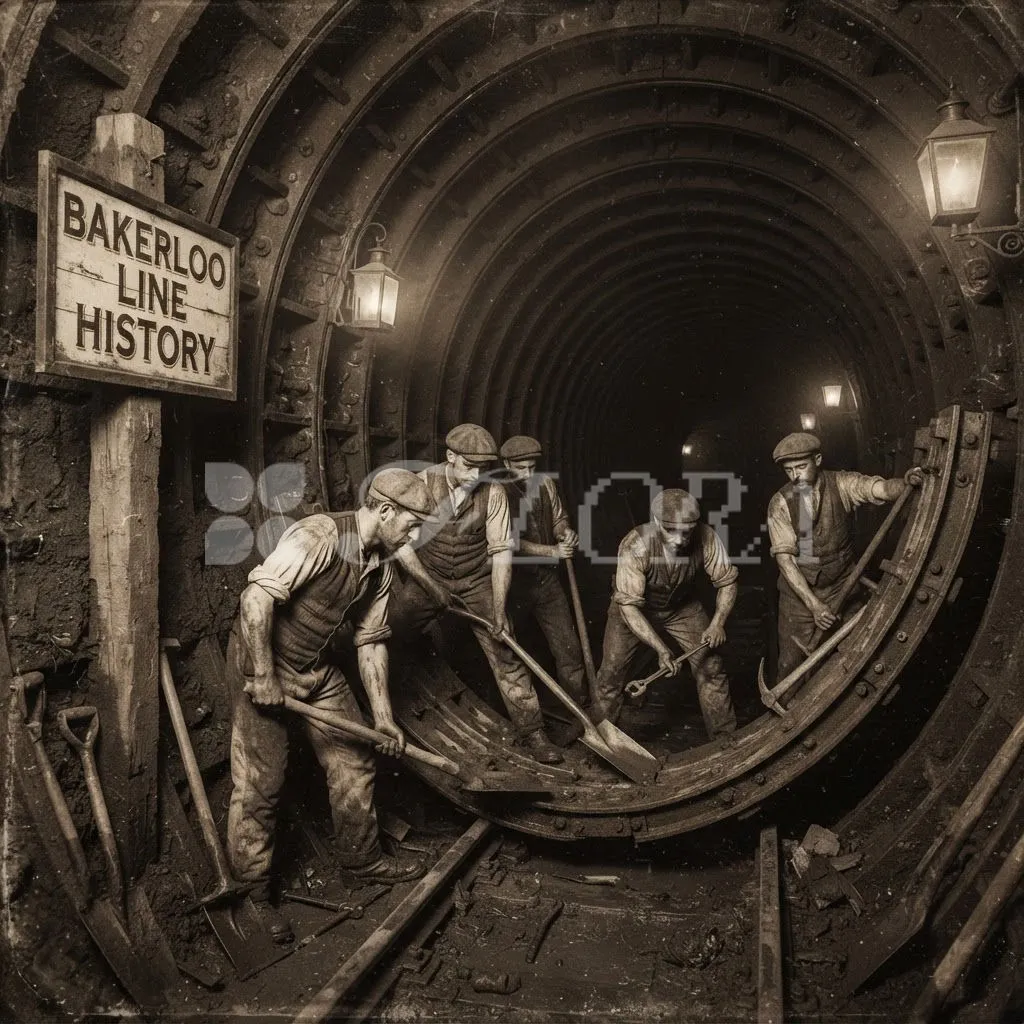
Bakerloo Line History
The Bakerloo line history begins in the early 20th century. It was originally called the Baker Street and Waterloo Railway and opened in March 1906 between Baker Street and Kennington Road, with the extension to Elephant & Castle following in August. (Transport for London)
- 📜 The line opened in 1906.
- 🚇 It was originally called the Baker Street and Waterloo Railway.
- 🏛️ Baker Street was part of the original route.
- 🚉 Kennington Road was an early southern terminus.
- 🤎 The Bakerloo name became official in July 1906.
- 🚆 Marylebone was added in 1907.
- 🏙️ The line later expanded north-west.
- 🛤️ Suburban services became an important part of the route.
- 🚇 The line became part of the London Underground network.
- 📚 Its history spans more than a century.
- 🚆 Older trains remain part of its identity.
- 🌟 Its history makes it one of London’s distinctive Tube lines.
The unusual name Bakerloo came from combining “Baker” from Baker Street with “Waterloo” from Waterloo. TfL’s historical guide records that the shortened name was officially adopted in 1906. (Transport for London)
Bakerloo Line Trains
The Bakerloo line is famous for its older trains. In 2026, its existing fleet is more than 50 years old and is described by London City Hall as the oldest operational train fleet in the UK.
- 🚆 The current trains are more than 50 years old.
- 📜 They are among the oldest Tube trains.
- 🤎 Their age is part of the line’s identity.
- 🚇 They continue to serve passengers.
- 🪑 The interiors have a traditional Tube feel.
- 🚪 Passengers use manual-style train doors.
- 🔧 Maintenance is important.
- 🛠️ TfL is planning fleet replacement.
- ♿ Future trains are expected to improve accessibility.
- 🌡️ Modern trains should provide better temperature control.
- 🚆 New rolling stock is part of long-term planning.
- 📅 Replacement is not immediate.
- 💷 Funding affects the timetable.
- 🌟 Train replacement remains a major 2026 issue.
In March 2026, the Mayor’s office said TfL was progressing plans to replace the fleet, while noting that the existing trains are more than 50 years old. (Greater London Authority)
Bakerloo Line Extension
The Bakerloo line extension is one of London’s major proposed transport projects. Current plans focus on extending the line from Elephant & Castle toward Lewisham, with potential future expansion farther into south-east London.
- 🏗️ The extension would begin at Elephant & Castle.
- 🚇 It would head toward south-east London.
- 🏙️ Old Kent Road is part of the proposed route.
- 🌳 Burgess Park is another proposed station area.
- 🚆 Lewisham is a major proposed destination.
- 🔄 Lewisham would provide interchange opportunities.
- 🏘️ The project could support new housing.
- 💼 It could support additional local jobs.
- 🚆 A further extension to Hayes has been studied.
- 🏗️ Feasibility work is continuing.
- 💷 Funding remains a major issue.
- 📊 Cost estimates depend on the final scheme.
- 🌟 The extension could transform travel in south-east London.
TfL’s 2026 business plan says the proposed extension would run from Elephant & Castle to Lewisham via Burgess Park, Old Kent Road and New Cross Gate. (TfL Board)
Bakerloo Line Extension to Lewisham
The proposed route to Lewisham could improve transport links in parts of south-east London. The project is also connected with plans for housing and employment growth.
- 🚇 Elephant & Castle would be the starting point.
- 🌳 Burgess Park is proposed.
- 🏙️ Old Kent Road would receive new stations.
- 🚉 New Cross Gate is proposed.
- 🚆 Lewisham would be the main destination.
- 🔄 Lewisham offers rail connections.
- 🏘️ Southwark would benefit.
- 🏙️ Lewisham would benefit.
- 🏡 Bromley could benefit from a wider extension.
- 🏠 More than 20,000 homes could be directly unlocked.
- 💼 Nearly 10,000 local jobs could be supported.
- 🚆 Better connections could reduce travel barriers.
- 🏗️ Development could increase around stations.
- 💷 Funding is still being examined.
- 📊 Cost estimates remain ranges rather than final prices.
- 🌟 The project could bring major changes to south-east London.
A 2025 City Hall assessment estimated that the wider Bakerloo extension could directly unlock 20,410 homes and 9,700 local jobs along the proposed corridor. (Greater London Authority)
Bakerloo Line Map
The Bakerloo line map is easy to recognize because of its brown color. It shows the line running from Harrow & Wealdstone through central London to Elephant & Castle.
- 🗺️ The line is brown on the Tube map.
- 🚉 Harrow & Wealdstone is at the northern end.
- 🚉 Kenton follows southward.
- 🚉 South Kenton follows.
- 🚉 North Wembley comes next.
- 🚉 Wembley Central serves Wembley.
- 🚉 Stonebridge Park follows.
- 🚉 Harlesden connects the route.
- 🚉 Willesden Junction is an important interchange.
- 🚉 Queen’s Park is another useful connection.
- 🚉 Paddington serves rail travelers.
- 🏛️ Baker Street is a major central stop.
- 🛍️ Oxford Circus serves Oxford Street.
- 🎡 Piccadilly Circus serves the West End.
- 🚉 Waterloo connects major transport routes.
- 🏙️ Elephant & Castle is the southern terminus.
TfL’s official Bakerloo train graphic shows the full route and its stations, including the branches where trains can terminate at Queen’s Park or Stonebridge Park. (Transport for London)
Bakerloo Line in 2026
The Bakerloo line remains important in 2026, but it is also at an interesting point in its history. TfL is working on plans for newer trains while the proposed extension remains under development.
- 📅 The line continues operating in 2026.
- 🚆 Existing trains remain in service.
- 🕰️ The fleet is more than 50 years old.
- 🛠️ TfL is preparing for fleet replacement.
- ❄️ Future trains are planned to have air conditioning.
- 🚆 New trains could arrive toward the end of the decade.
- 🏗️ Infrastructure work will be needed for new trains.
- 🚇 The extension remains under development.
- 🏙️ Lewisham is the main proposed extension destination.
- 🏘️ Old Kent Road is part of the plan.
- 🌳 Burgess Park is part of the plan.
- 🚉 New Cross Gate is part of the plan.
- 💷 Funding remains important.
- 📊 Project costs are still being refined.
- 🗺️ The existing route remains unchanged.
- 🌟 2026 is an important planning period for the line.
London City Hall reported in 2026 that TfL is progressing plans to replace the Bakerloo fleet. A separate TfL planning document says the extension development work is continuing. (Greater London Authority)
Bakerloo Line Travel Tips
Understanding the Bakerloo line’s destinations can make a London journey easier, especially when traveling through busy central stations.
- 🚇 Check the destination before boarding.
- 🗺️ Use the latest Tube map.
- 📱 Check live TfL information before traveling.
- 🚉 Allow extra time at major interchanges.
- 🎒 Keep luggage secure and manageable.
- ⏰ Central London can be busiest during peak periods.
- 🚆 Some trains may terminate at Queen’s Park.
- 🚆 Some services may terminate at Stonebridge Park.
- 🚉 Check whether your train continues to Harrow & Wealdstone.
- 🏛️ Use Baker Street for several Tube connections.
- 🚆 Use Paddington for major rail connections.
- 🛍️ Use Oxford Circus for Oxford Street.
- 🎡 Use Piccadilly Circus for West End attractions.
- 🚉 Use Waterloo for major rail connections.
- 🏙️ Use Elephant & Castle for south London.
- 🌟 Check TfL updates if planned engineering work affects your route.
TfL’s current station information specifically notes that northbound trains can terminate at Queen’s Park or Stonebridge Park, so checking the destination is important. (Transport for London)
Frequently Asked Questions About the Bakerloo Line
The Bakerloo line has a long history and a fairly unusual route. These answers cover some of the most common questions people ask about it.
- ❓ What color is the Bakerloo line? It is brown.
- 🚇 Where does the Bakerloo line go? It runs between Harrow & Wealdstone and Elephant & Castle.
- 🚉 How many stations does it have? The route has 25 stations.
- 📜 When did the Bakerloo line open? It opened in 1906.
- 🏛️ Why is it called the Bakerloo line? The name combines Baker Street and Waterloo.
- 🚉 Does the Bakerloo line stop at Baker Street? Yes.
- 🚆 Does it stop at Paddington? Yes.
- 🛍️ Does it stop at Oxford Circus? Yes.
- 🎡 Does it stop at Piccadilly Circus? Yes.
- 🚉 Does it stop at Waterloo? Yes.
- 🏙️ Where does it end in south London? Elephant & Castle.
- 🏘️ Where does it end in north-west London? Harrow & Wealdstone.
- 🚆 Are Bakerloo trains old? Yes. The current fleet is more than 50 years old.
- 🏗️ Will the Bakerloo line be extended? An extension toward Lewisham is being developed, but delivery depends on funding and project decisions.
- ❄️ Will Bakerloo trains be replaced? TfL is progressing plans to replace the current fleet.
- 📅 Is the Bakerloo line important in 2026? Yes, both its existing service and future upgrade plans remain significant.
Conclusion:
The Bakerloo line is one of London’s most historic Underground routes, linking Harrow & Wealdstone with Elephant & Castle through some of the capital’s busiest and most famous areas. Its brown line on the Tube map makes it easy to recognize, while stations such as Paddington, Baker Street, Oxford Circus, Piccadilly Circus, Charing Cross, and Waterloo make it useful for everyday travel and sightseeing. (Transport for London)
The line has been serving London since 1906, giving it more than a century of history. In 2026, however, its future is just as important as its past. TfL is progressing plans to replace the line’s aging trains, while the proposed Bakerloo line extension to Lewisham could eventually improve transport connections across south-east London. (Greater London Authority)
For anyone researching the Bakerloo line map, stations, route, history, trains, or extension, understanding both its current service and planned improvements provides a clear picture of this unique London Underground line.

Andrew Collins creates inspiring content centered around success, motivation, leadership, and positive thinking.